Best Travel Wallet: Beginner Checklist
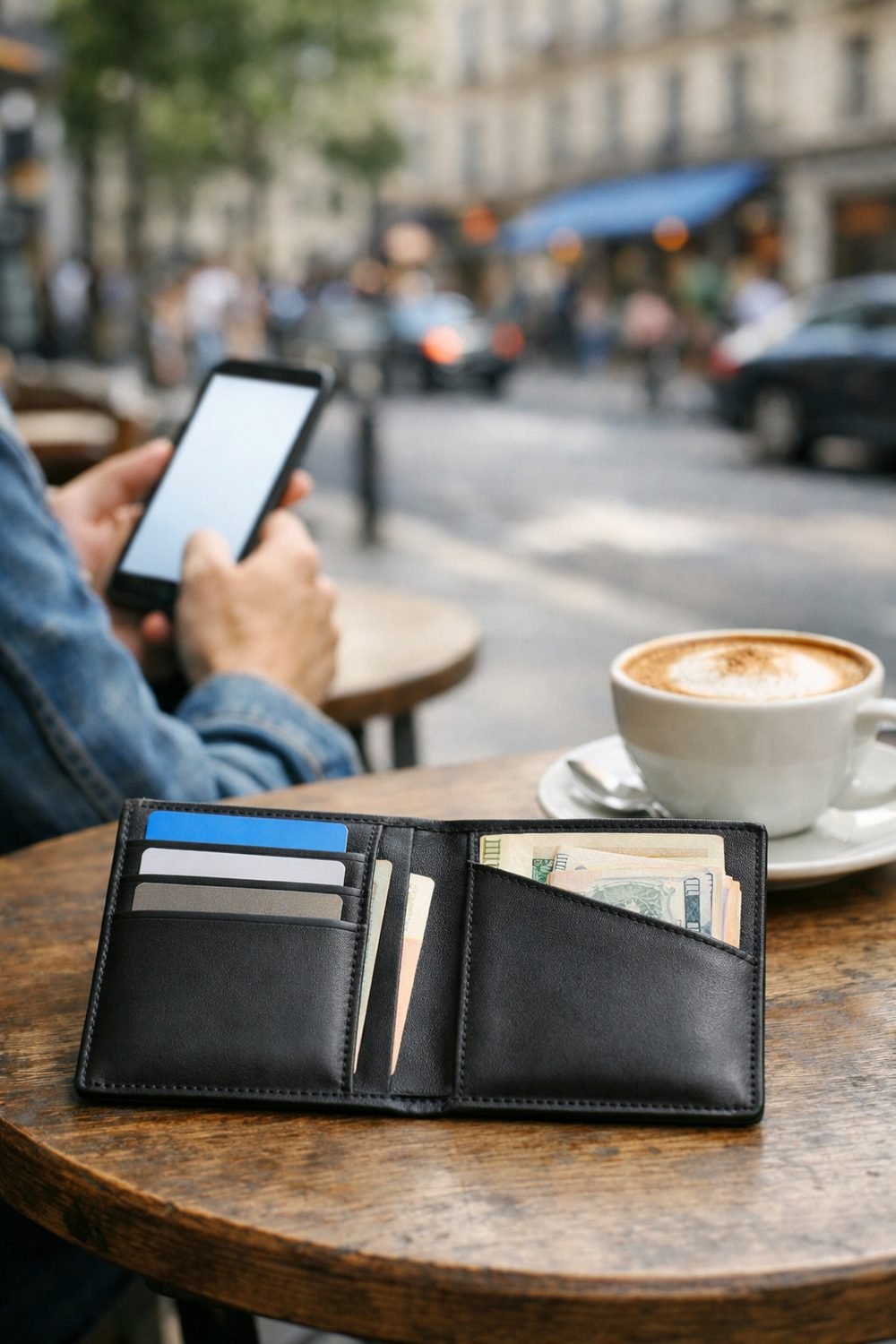
The first time I traveled overseas, I kept my passport in one jacket pocket, my cards in another, and loose cash in my jeans. At the check-in desk I patted myself down like I'd lost my keys. The agent waited. The line behind me waited. That was the day I went looking for the best travel wallet I could find.
A good travel document wallet keeps your cards, cash and travel papers in one place. That sounds simple, and it mostly is. But some wallets are much better than others, and a few "features" don't matter much. Here's the checklist I wish I'd had before that first purchase.
Short on time? Our top picks: Travelon, Pacsafe, Rick Steves and Bellroy. See all picks
1. Size: Make Sure Your Passport Travel Wallet Actually Fits Your Documents
This is the one people get wrong most often. A wallet can look roomy in photos and still be too short for a passport. Some are made for a passport and tickets. Others are made for long boarding passes, folded papers and a phone. They're not the same thing.
Think about what you'll really carry. For most trips, I carry a passport, two cards, a little cash and a printed booking page or two. If you like paper backups, you'll want something a bit bigger. If you go mostly digital, a small travel wallet might be all you need.
Also think about where it'll live. A big wallet that doesn't fit in your bag's front pocket ends up buried at the bottom. Then you're digging for it at security, which defeats the whole point.
Practical tip: Check the listed measurements on the seller's page, then hold your passport up to a ruler. If the inside is only a hair bigger than your passport, it'll be a tight squeeze. Leave a little room.
2. Pockets: Enough Slots, But Not Too Many
You want a clear spot for each thing. Cards in card slots. Cash in a flat pocket. Passport in its own sleeve. A zip pocket for coins or a SIM card tool is nice too.
Here's my honest opinion: more pockets aren't always better. A wallet with fourteen card slots is easy to overfill and hard to keep organized. The rest just made it thick and made me forget where things were. A travel wallet organizer with fewer, well-placed pockets is easier to use when you're tired and someone is asking for your boarding pass.
A pen loop is one small extra I do like. Arrival forms still show up on some trips, and there's never a pen when you need one.
Practical tip: Before you buy, write down what you plan to carry. Count the items. Pick a wallet with a pocket for each, plus one or two spare. That's plenty.
3. Security: Read the RFID Claims Carefully
Lots of travel wallets list RFID blocking. That's meant to stop card or passport chips from being read without you knowing. Whether you need it is up to you. Some travelers care a lot about it. Others don't think about it at all.
What I'd suggest is simple. Only trust what the listing actually says. If a seller says a wallet blocks RFID, check whether they say which parts are covered. Sometimes it's only certain pockets. No claims are made here about how well any of it works, and it's wise to be wary of anyone who promises total protection.
For me, the bigger safety habit is just keeping the wallet close. A front pocket, a zipped bag or a neck wallet for travel, such as those from Rick Steves, matters more than any lining.
Practical tip: If RFID matters to you, look for it in the product details, not just the title. If the details are vague, ask the seller before buying.
4. Closure: Zip, Snap or Open?
A zip closure is my pick for travel. Nothing slides out when the wallet tips sideways in your bag. Coins stay put. Cards don't fan out across the floor of a taxi.
Snap and button closures are faster to open, and some people love that. Open, book-style wallets are the slimmest, but things can fall out of them. This becomes clear when a receipt needed for a refund vanishes somewhere between a train and a hotel.
If you go with a zip, give it a few test pulls when it arrives. A cheap zipper that catches or splits is annoying at home and worse on the road.
Practical tip: Open and close the wallet with one hand a few times. At an airport, you'll often be holding a bag or a coffee in the other.
5. Material: Check the Listing, Not Just the Photos
A leather travel wallet, like those from Bellroy, looks great, but wallets also come in faux leather, nylon, canvas and more. Each one feels different, and each wears differently over time. Photos can make almost anything look nice, so read the materials section on the seller's page.
Nylon tends to be light and easy to wipe clean. Leather can look nicer and feel more grown-up, and a designer travel wallet often uses it, but it may be heavier. If you travel somewhere hot or rainy, think about how the material will handle that. A wallet that gets damp in a humid backpack isn't fun to open.
You can skip anything where the listing doesn't say what it's made of. If they won't tell you, there's usually a reason.
Practical tip: Read reviews that mention how the wallet held up after a few months. Those tell you more than the first-day excitement reviews.
By the way, if you've got a trip coming up, you can grab my free Vacation Countdown Checklist and 1-Day Itinerary Page when you join the email list.
6. Weight and Thickness: The Stuff Nobody Mentions
A wallet that's light when empty can get bulky once it's full. Add a passport, cards and some folded cash, and suddenly it doesn't fit in your pocket. A wallet that's a little plain but slim is often the better choice.
If you're trying to pack light, every bit adds up. This matters even more if you're traveling with just a carry-on. If that's you, the Carry-On Luggage Buyer's Guide and Comparison Sheets below this post can help you think through the rest of your setup.
Practical tip: Fill the wallet at home with everything you'll carry. Then try it in the pocket or bag where it'll actually ride. Better to find out now.
7. Return Terms: Check Before You Buy Any Family Travel Wallet
This one isn't exciting, but it saves headaches. Sometimes a wallet arrives and it's just wrong, whether it's a mens travel wallet or a travel wallet for women. Too small, the color's off, the zipper feels flimsy. You'll want to know if you can send it back.
Read the return policy on the seller's page before you order. Look at how many days you have, whether you pay for return shipping, and whether the item has to be unused. Policies vary a lot, so don't assume.
And buy early if you can. Ordering a wallet three days before a flight leaves no time to swap it out.
Practical tip: Keep the packaging until you've tested the wallet with your real documents. Some sellers want items returned in the original box.
Travel wallets worth a look
Here are a few well-known brands that make travel wallets and document holders. Use the checklist above to decide which style fits the way you travel.
Travelon
Travelon is known for travel accessories with a security focus, including document organizers. It suits travelers who want anti-theft style features. Check the listing to see exactly which pockets, if any, are covered by RFID protection.
Pacsafe
Pacsafe focuses on theft-aware travel gear, including wallets and neck pouches. It suits people who worry about crowded stations and busy streets. Check the size and weight, since security-minded designs can feel bulkier than a basic wallet.
Rick Steves
Rick Steves sells travel gear, including document pouches and neck wallets. It suits beginners who like a simple, wear-it-under-your-shirt setup. Check how it feels against your skin for a long day and whether your passport fits comfortably.
Bellroy
Bellroy makes slim wallets and travel folios, often in leather and other materials. It suits people who like a tidy, minimal look. Check the materials section and the dimensions to be sure your passport and papers fit.
Samsonite
Samsonite is a familiar luggage brand that also sells travel wallets and accessories. It suits shoppers who want a matching set with their bags. Check the closure type and how many pockets you actually need.
Away
Away is best known for luggage but also offers travel accessories. It suits people building a coordinated carry-on setup. Check whether the current accessory lineup includes a document holder in the size you want.
Lewis N. Clark
Lewis N. Clark makes a wide range of everyday travel organizers, including passport wallets and neck pouches. It suits first-time buyers who want simple options. Check the materials and the return policy before ordering.
Check current plans and prices on each brand's own site before you decide.
FAQ
Do I really need a travel wallet, or will my regular one do?
For short trips at home, your regular wallet is probably fine. Once a passport and travel papers come into it, a travel wallet keeps everything together. It's less about need and more about not patting your pockets at check-in.
Is RFID blocking worth paying more for?
That's a personal call. Some people feel better having it, and others skip it. If you want it, check the seller's page for what exactly is covered, and keep good habits like holding the wallet close.
Should my travel wallet hold my phone too?
Some larger wallets do, and that can be handy. But it also makes the wallet bigger and heavier. Keeping your phone separate means you're not pulling everything out every time you check a map.
How early should I buy one before a trip?
A few weeks ahead is a good goal. That gives you time to test it, get used to where things go, and return it if it doesn't work. Last-minute buys tend to be the ones you regret.
Your Next Step
Pick the two or three things on this list that matter most to you, and use them to narrow down your choices. Then grab the free Vacation Countdown Checklist and 1-Day Itinerary Page from the sign-up box so your trip planning starts on the right foot. If you want more help getting organized, take a look at the Trip Planner and Packing Checklist Bundle and the carry-on guide below this post. No pressure. Just there if they're useful.
Printables and tools that can help
Carry-On Luggage Buyer's Guide and Comparison Sheets
A printable guide and comparison sheets to write down what matters to you before you look at any seller...
See detailsTrip Planner and Packing Checklist Bundle
A printable bundle with a 30-day goal page, weekly planner and checklists for frequent travelers and...
See details