Best Travel Adapter: Pros, Cons and Alternatives
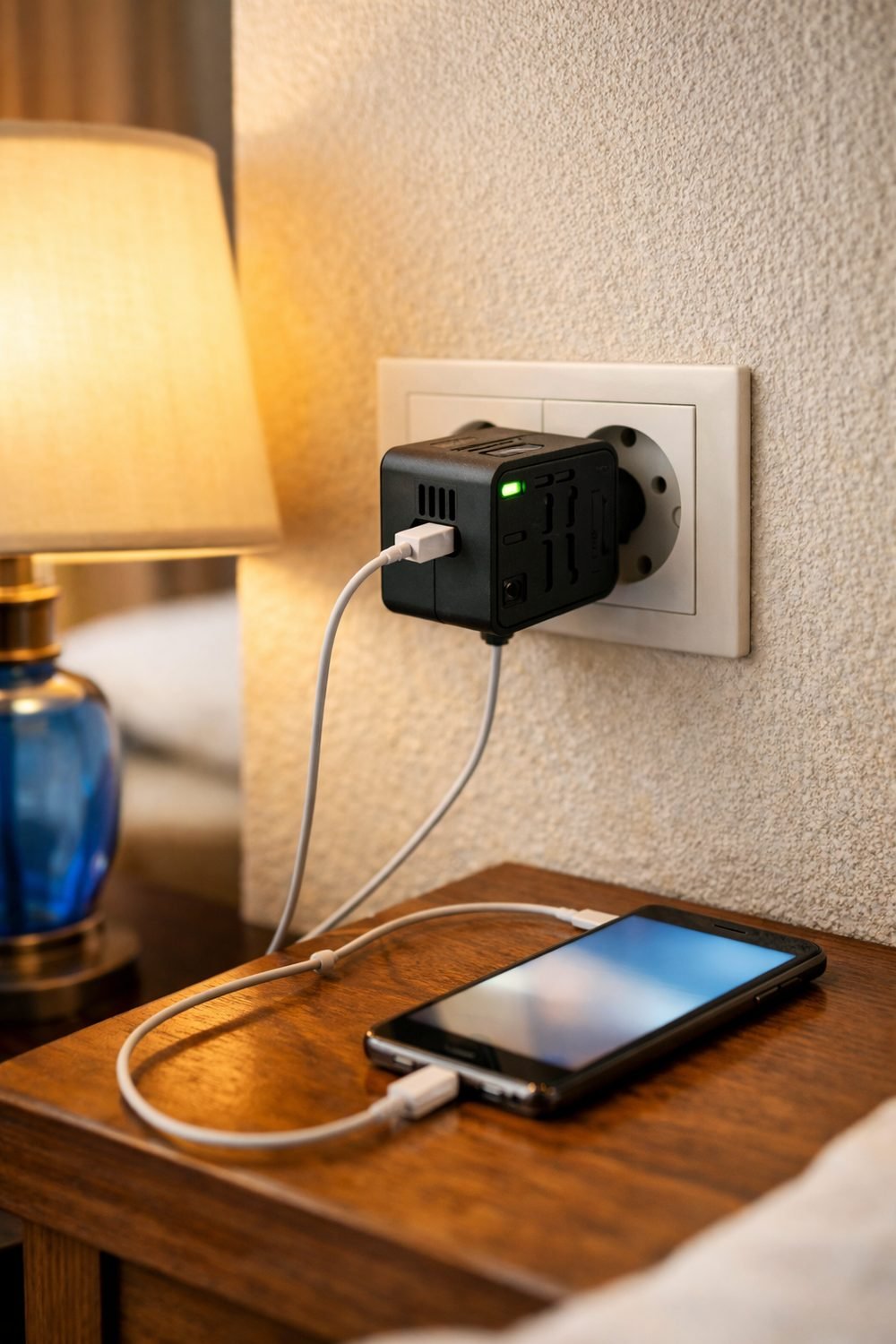
The first time I traveled abroad, I packed one cheap adapter and three things that needed charging. Arriving at a hotel with no good travel adapter can mean spending the first night deciding whether the phone or the camera matters more. In that situation, the phone usually wins. The camera sat dead until breakfast.
The best travel adapter depends a lot on where you're going and what you're bringing. Below are the main types, what I like about each, where they fall short, and a few alternatives worth thinking about.
Short on time? Our top picks: Ceptics, Epicka, Anker and Belkin. See all picks
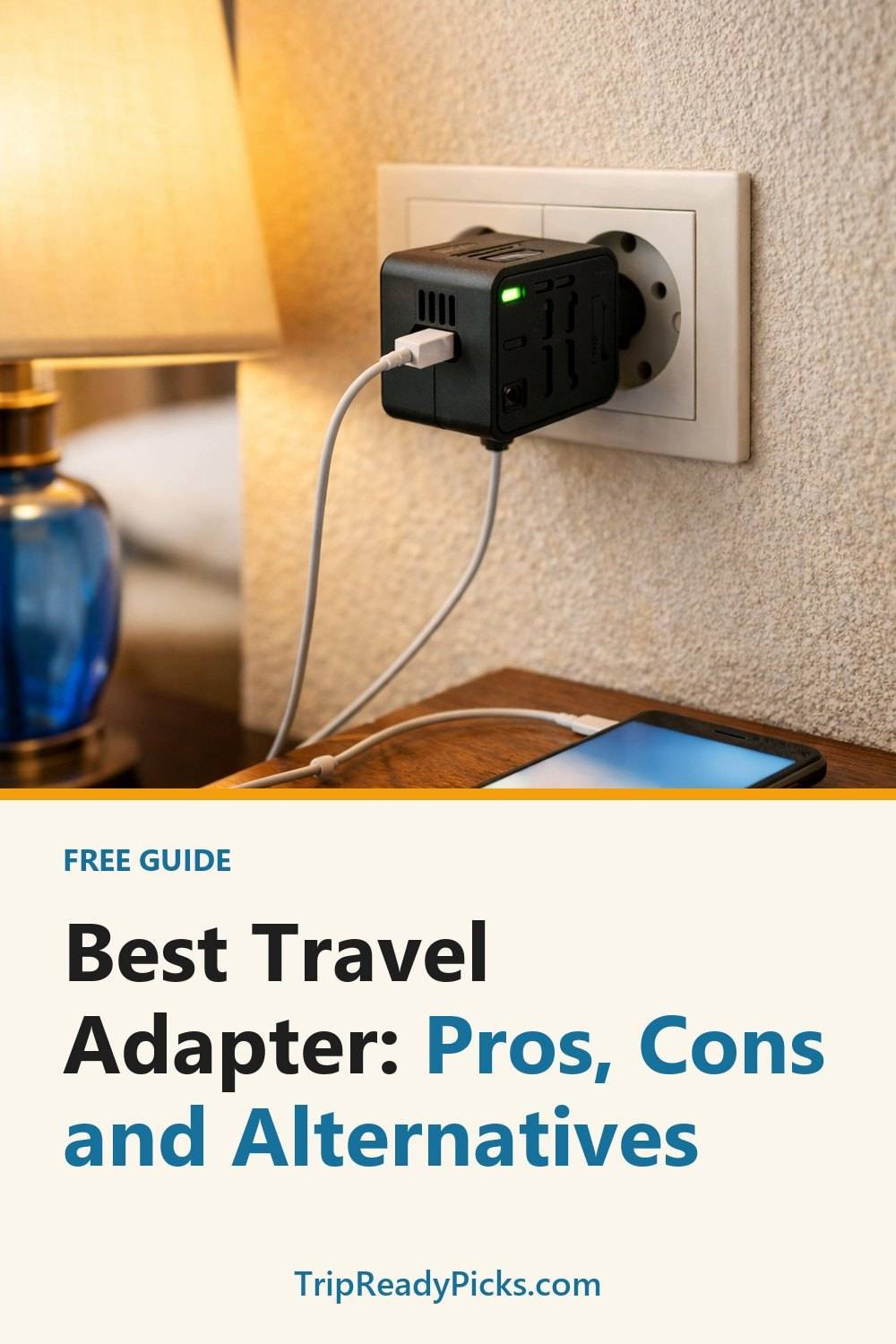
1. Single-Country Travel Plug Adapters
These are the small, simple plugs made for one plug shape. You might grab a Type G plug adapter for the UK or a Type C for much of Europe. They're usually cheap, light, and tiny enough to toss in a pocket.
The catch is obvious. If your trip covers more than one plug type, you'll need more than one adapter. They also tend to be loose in some wall sockets, so your charger can droop or fall out overnight.
Honestly, for a one-country trip, this is what I pack. There is little point in carrying a bulky universal block to a place that only uses one plug.
Practical tip: Buy two. One for the hotel nightstand, one for your day bag or the bathroom. They're small enough that the spare costs you nothing in space.
2. Universal Plug Adapters
A universal adapter, like those from Epicka, has sliding prongs that switch between plug types. One best universal travel adapter style block can cover a lot of the world. If you hop between regions or travel often, it saves you from keeping a drawer full of little plugs.
They're bulkier, though. Some are heavy enough that they pull out of wall sockets, especially the older, looser ones you find in some guesthouses. And the sliding parts can feel fiddly the first few times you use them.
It makes sense to keep one in your bag for longer, multi-stop trips. It's not exciting, but it's one less thing to think about at a 1 a.m. check-in.
Practical tip: Practice switching the prongs at home before you leave. Figuring out the slider while you're tired in a dim room is no fun.
3. Adapters With Built-In USB Ports
Many adapters now have USB-A or USB-C ports built in. That means you can plug your phone cable straight into the adapter and skip the separate wall charger. For a light packer, that's a nice win.
The thing to watch is power output. Some built-in ports charge slowly, which is fine for earbuds but frustrating for a tablet or a laptop that charges over USB-C. The output is usually printed on the device or listed on the seller's page, so check it before you buy.
You can skip models that promise lots of ports but don't clearly say how much power they share. Four slow ports aren't more useful than two decent ones.
Practical tip: Look at what your phone or laptop charger currently puts out. Compare that to the adapter's USB ports so you know roughly what to expect.
4. Voltage Converters (Travel Adapter Converter Basics)
This is where people get confused, so here's the short version. An adapter only changes the plug shape. A converter changes the voltage. Those are not the same thing.
Most phone chargers and laptop bricks are dual voltage, which means they handle a range of voltages on their own. Look on the charger for something like "100-240V." If you see that, you probably just need an adapter. Things like some hair dryers, curling irons, and older appliances may not be dual voltage, and that's when a converter comes in.
Converters can be heavy, and they aren't always meant for high-heat devices. You can stop bringing your own hair tools on most trips. A lot of hotels have a dryer, and buying a cheap local one can be easier than hauling a converter around. If you're unsure about a specific device, check the manufacturer's label or page, or ask someone who knows electronics.
Practical tip: Before you pack, flip over every charger and appliance and read the label. It takes two minutes and saves you a melted gadget.
If you like having a pre-trip routine for little checks like this, my free Vacation Countdown Checklist and 1-Day Itinerary Page is in the sign-up box on this page.
5. Multi-Port USB Chargers
Here's an alternative to a fancy adapter. Pack one good multi-port USB charger, such as one from Anker, and pair it with a simple European adapter or whichever plug your destination uses. You plug in once and charge several things at the same time.
The downside is that it still needs an adapter if the plug doesn't match the wall. So it's two items, not one. But those two items often take less space than a big universal adapter plus a pile of separate chargers.
This is my favorite setup right now. A compact charger, a small adapter, and a couple of short cables. Everything fits in one little pouch.
Practical tip: Choose a charger with a folding plug if you can. It won't poke holes in your bag or snag on other things.
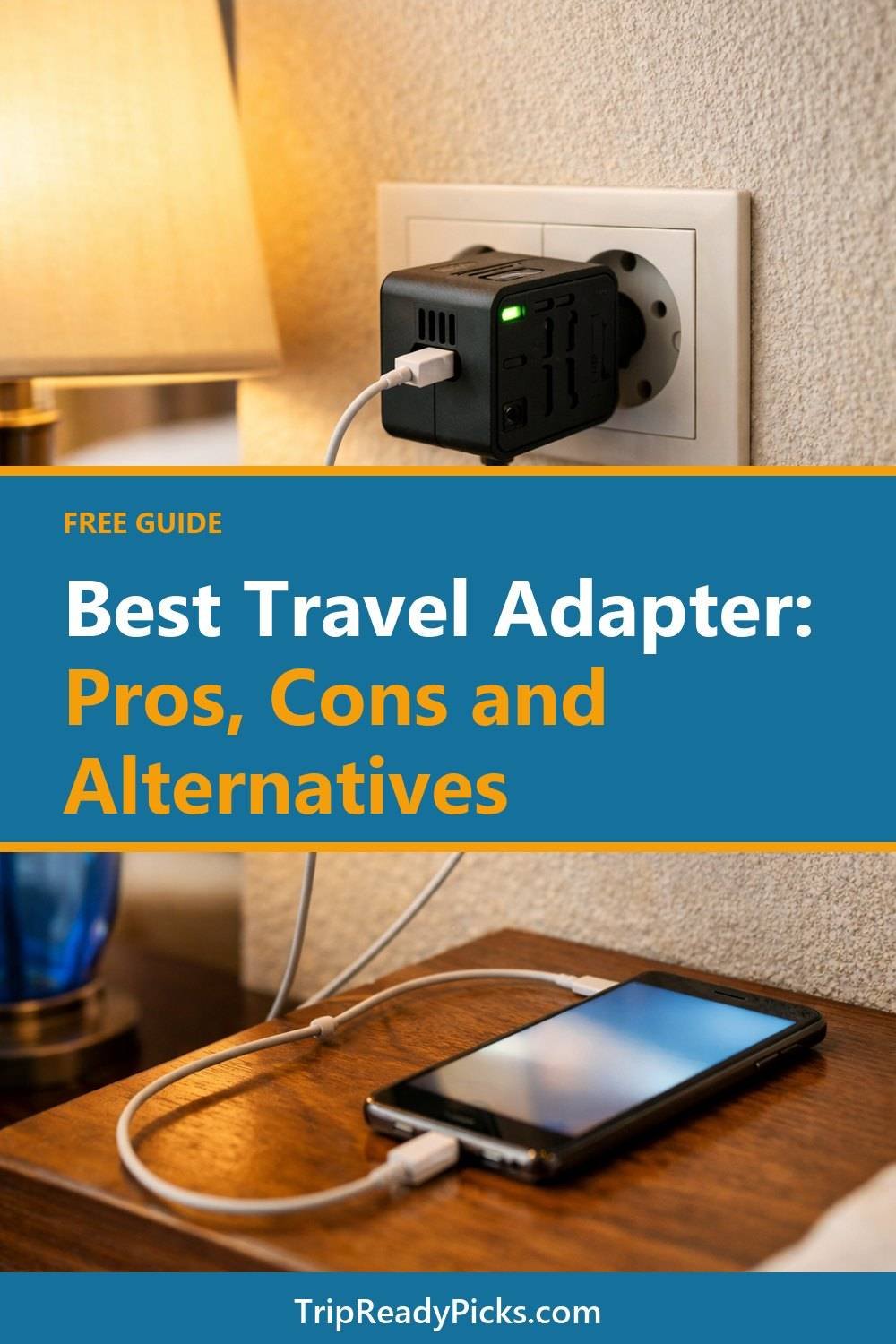
6. Travel Power Strips as a Travel Power Adapter Helper
A small travel power strip, such as one from TESSAN, lets you turn one outlet into several. It's handy in hotel rooms where the only outlet is behind the bed or across the room from the desk. Families and couples sharing a room seem to love these.
It's one more thing to carry, and it has the same voltage limits as your devices. A power strip doesn't convert voltage. Some cruise lines and accommodations also have rules about what you can plug in, so it's worth reading their policies before you pack one.
You can skip bringing one for solo trips. For a family trip with four phones, a tablet, and a camera, though, I'd call it a sanity saver.
Practical tip: Look for a strip with a short cord that wraps around itself. Long cords tangle and add more bulk than you'd think.
7. Just Buy One There
This one gets overlooked. In many airports and convenience shops, you can buy an EU plug adapter or another local one when you land. If you forgot yours, it's not the end of the world.
The prices at airports can be higher, and the selection may be limited. Quality varies too. Still, as a backup plan, it's good to know it's an option. It can be done, and a single adapter can work fine for a whole week.
Practical tip: Don't count on this as your main plan for a late-night arrival, when most shops may be closed.
How I'd Pick
If you're visiting one country, get a couple of single-country adapters. If you're moving between regions, get a universal one. If you carry lots of devices, a multi-port charger plus a simple adapter is hard to beat. And always check voltage labels before worrying about converters.
Keeping your adapter setup in the same small pouch every trip makes packing automatic. If you're still sorting out what bag it all goes in, the Carry-On Luggage Buyer's Guide and Comparison Sheets below this post might help you compare options side by side.
Our top picks
Here are a few well-known brands to look at when you shop for travel power gear. Match each one to your destination and your devices before you buy.
Ceptics
Ceptics makes travel adapters and plug sets for different regions. It suits travelers who want a kit for a specific destination. Check that the plug type matches the country you're visiting.
Epicka
Epicka sells universal travel adapters that cover several plug types in one unit. It suits people who move between regions. Check the listed USB output if you plan to charge more than a phone.
Anker
Anker is a familiar name in chargers and multi-port USB power. It suits travelers who carry a phone, earbuds, and a tablet. Check the total wattage and how it splits across ports.
Belkin
Belkin offers chargers, power strips, and travel accessories. It suits people who want a compact charging setup for hotel rooms. Check the plug type, since you may still need a separate adapter.
Skross
Skross is known for travel adapters with a sturdy, compact build. It suits frequent travelers who want something that holds firmly in a wall socket. Check which regions each model supports.
Ugreen
Ugreen sells multi-port USB-C chargers and cables. It suits travelers who want one charger for a laptop and a phone. Check that the output matches your laptop's charger.
TESSAN
TESSAN makes travel adapters and compact power strips with USB ports. It suits families sharing one outlet in a hotel room. Check the accommodation's rules on power strips before packing one.
Check current plans and prices on each brand's own site before you buy.
FAQ
Do I need an adapter or a converter?
Most people only need an adapter, because many phone and laptop chargers are dual voltage. Check the label on each device for a voltage range like "100-240V." If a device only lists one voltage, look at the manufacturer's information or ask someone who knows electronics before using it abroad.
How do I know which plug type a country uses, like a European electrical adapter?
Search for the country's plug type before you travel, or check your hotel's website. Some countries use more than one type, which is one reason a universal adapter can be handy for bigger trips.
Can I charge my laptop through a USB adapter?
Sometimes, if your laptop charges by USB-C and the adapter's port puts out enough power. Many built-in ports are too slow for laptops. Compare your laptop charger's output with the adapter's listed output on the seller's page.
Is it safe to use a cheap adapter?
Quality varies a lot, and I can't vouch for any specific brand. Look for clear product details, read the seller's information carefully, and stop using any adapter that gets hot, sparks, or feels loose.
Your Next Step
Before your next trip, take ten minutes to check your chargers and decide which adapter setup fits. Then grab the free Vacation Countdown Checklist and 1-Day Itinerary Page from the sign-up box so the small stuff doesn't slip through the cracks. After that, take a look at the Trip Planner and Packing Checklist Bundle and the luggage guide below this post if you'd like a bit more help getting organized.
Printables and tools that can help
Carry-On Luggage Buyer's Guide and Comparison Sheets
A printable guide and comparison sheets to write down what matters to you before you look at any seller...
See detailsTrip Planner and Packing Checklist Bundle
A printable bundle with a 30-day goal page, weekly planner and checklists for frequent travelers and...
See details