Best Travel Accessories: Questions to Ask First
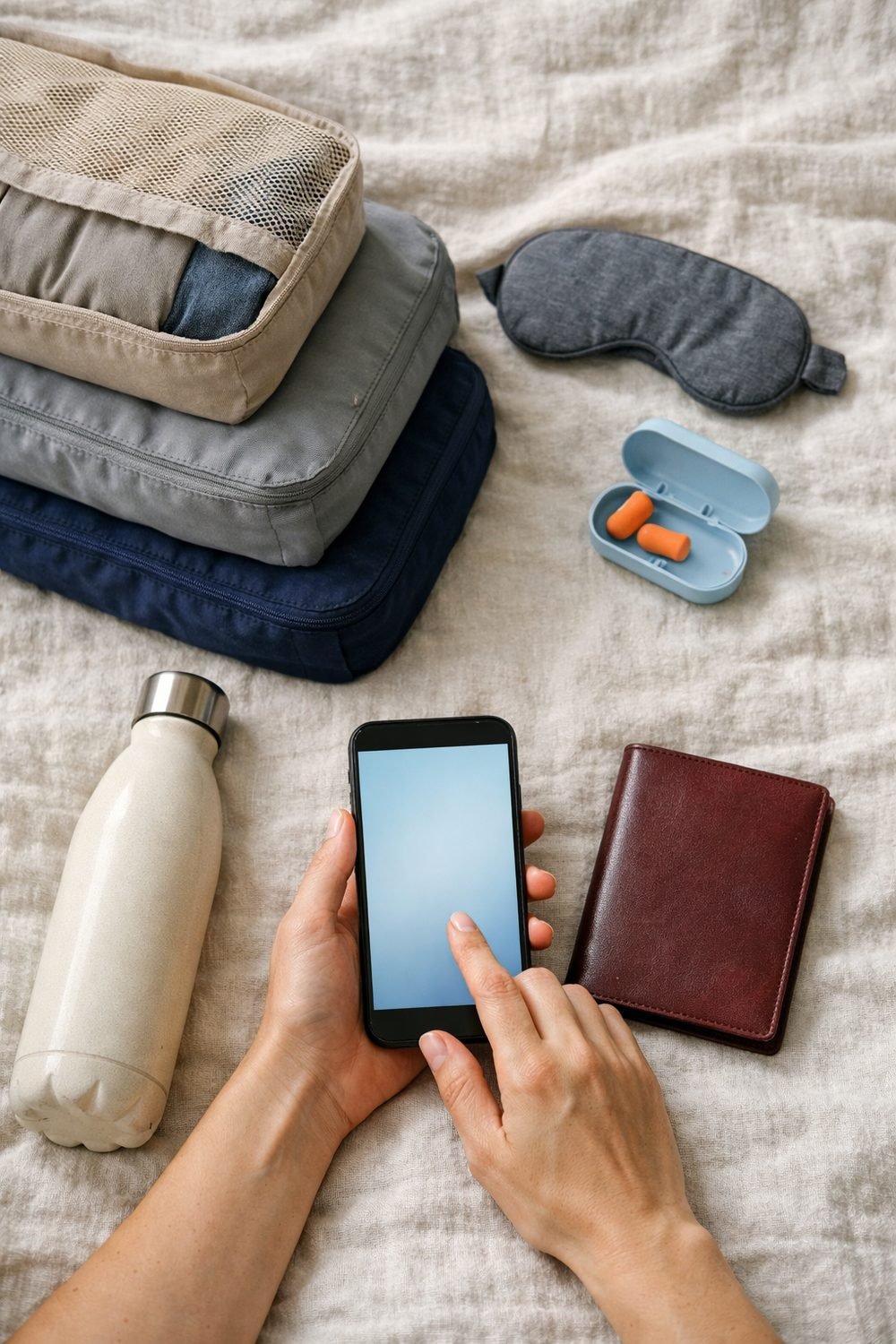
Many people come home from trips with a bag full of travel accessories they never touched. A neck pillow that stayed rolled up. A fancy toiletry organizer that took up more room than my actual toiletries. A phone stand I forgot I owned. Sound familiar?
Here's what changed things for me. Before I buy any of the best travel accessories on my wish list now, I ask myself a few plain questions. It takes about five minutes, and it has saved me money and a lot of shoulder pain. These are the questions I'd ask first, in the order I'd ask them.
Short on time? Our top picks: Anker Portable Chargers, Peak Design Packing Cubes, Eagle Creek Pack-It Organizers and Cabeau Evolution Travel Pillow. See all picks
1. What Kind of Trips Do You Actually Take?
Be honest here. Not the trips you dream about, but the ones on your calendar. A weekend at your sister's place needs very different gear than two weeks of train hopping. If most of your travel is short and by car, you can skip a lot of the stuff marketed to backpackers.
This is an easy lesson to learn the hard way. It's easy to buy a big set of compression packing cubes for a "someday" long trip and never use them. Then comes a year of three-day work trips where a single small pouch would have been fine. The cubes sat in my closet.
Practical tip: Look back at your last three or four trips. Write down how long each was, how you got there, and what bag you used. Shop for that pattern, not for the trip you might take one day.
2. What Must Have Travel Accessories Do You Always Forget?
Everyone has their thing. Mine is a phone charger. A common mistake is paying too much for cables at airport shops when you could pack a spare before you leave. Yours might be a toothbrush, sunglasses, or the adapter for your laptop.
The stuff you forget again and again is where an accessory can really help. A spare charger, such as an Anker power bank, that lives in your bag full time is boring, but it fixes a real problem. That's worth more than a clever gadget that solves a problem you don't have.
Practical tip: Keep a note on your phone called "Forgot it." Every time you leave something behind or wish you'd packed it, add it. After a few trips, you'll have a shopping list based on your real life.
If you like doing this on paper, the Trip Planner and Packing Checklist Bundle below this post has pages made for exactly this kind of tracking.
3. How Much Does It Weigh, Really?
Light matters more than most product photos let on, especially with luggage accessories. One extra item doesn't feel like much in the store. Ten "small" extras, though, and suddenly your carry-on is heavy and the zipper is fighting you.
It's wise not to trust words like "lightweight" on a box. Lightweight compared to what? Check the actual weight listed on the seller's page, and if it's not listed, treat that as a small warning sign. If I'm shopping in person, I hold it and picture carrying it through an airport for an hour.
Practical tip: If you fly a lot, check your airline's carry-on rules before you add gear. Weight and size limits differ between airlines, so look at the airline's own page rather than guessing.
4. Can Unique Travel Accessories Do Two Jobs?
This is my favorite question. The best things in my bag pull double duty. A large scarf works as a blanket on cold flights, a pillow, and a cover-up when visiting places that ask for covered shoulders. A zip pouch holds cables one day and snacks the next.
Single-purpose travel gadgets are where I'd be most careful. Some are great. Plenty are just clutter with a nice package. A dedicated shoe bag, for example, can often be replaced by a grocery bag you already own.
Practical tip: Before buying, try to name two different ways you'd use the item. If you can only come up with one, ask if something you already own could do that job well enough.
By the way, if you've got a trip coming up, you can grab my free Vacation Countdown Checklist and 1-Day Itinerary Page when you join the email list.
5. Will You Still Like It After the First Trip?
Some accessories feel exciting in the store and annoying by day two, even the ones sold as the best travel gadgets. Think about how something works when you're tired, in a hurry, or standing in a cramped bathroom, which matters even more on long flights. Fiddly clips, tiny zippers and lids that pop open don't hold up well in real travel moments.
My honest opinion? A lot of the "travel hack" products I see online are overrated. They look smart in a short video. In a dim hotel room at 11 p.m., they're just one more thing to figure out.
Practical tip: Read reviews from people who've used the item for months, not days. Look for words like "after a year" or "on my third trip." Those tell you more than first impressions.
6. What's Your Budget for This Trip?
Pick one number before you start shopping. Not a range, one number. It's amazing how fast small purchases add up when each one only costs a little.
It helps to split your budget into two parts. Most goes to the one or two things that matter most for that trip, like a good bag or comfy walking shoes. A small leftover amount covers little extras. When that's gone, I'm done.
Practical tip: Write your number down and keep a running total as you shop. If you're torn on a big item like luggage, comparing a few options side by side can help. The Carry-On Luggage Buyer's Guide and Comparison Sheets below this post are set up for that.
7. What's the Return Policy?
Check this before you buy, not after. Return windows, restocking fees and rules about used items can differ a lot between sellers. Some stores only take items back unopened, which makes it hard to test anything.
A travel pillow can be used on one flight and then turn out to be unreturnable because it has been used. Fair enough, but I wish I'd read the terms first. Now I always do.
Practical tip: Buy new gear a few weeks before your trip. Try it at home, pack it, carry it around the house. If it doesn't work for you, you'll still be inside most return windows. Always read the seller's actual policy page, since terms change.
8. Do You Already Own Something That Works?
This one's easy to skip, and it's the one that saves the most. Before buying a travel container or a travel version of anything, check your drawers. Old makeup bags, small jars, a backpack from years ago. A lot of it works fine.
A regular pencil case can work as a cable pouch for a long time. It wasn't pretty. It did the job perfectly.
Practical tip: Do a "trial pack" with only what you already own. Note what's missing or frustrating. Those gaps are your real shopping list.
Travel Accessories Worth a Look
Once you have answered the questions above, these are real products that fit common needs. Treat them as starting points, not a must-buy list.
Anker Portable Chargers
Suits anyone who keeps forgetting a charger or runs low on battery in transit. Check the capacity and the ports against your own phone and cables, and confirm it meets your airline's rules for power banks.
Peak Design Packing Cubes
A good fit if you like a sorted bag and move between places often. Check the sizes against your actual luggage before buying, and skip them if your trips are short and light.
Eagle Creek Pack-It Organizers
Suits travelers who want a long-running packing cube line with several shapes to choose from. Check how much each piece weighs, since extra organizers add up in a carry-on.
Cabeau Evolution Travel Pillow
Suits people who sleep on planes and want neck support. Check how big it is when packed, because a pillow that stays in your bag is not helping anyone.
Tile Trackers
Helpful if you worry about lost luggage or misplaced keys. Check which phone type it works with and how the tracking network works where you are going.
Bellroy Travel Wallets and Pouches
Suits people who want passport, cards and cash in one tidy spot. Check that your passport and phone actually fit before you commit.
Universal Travel Adapter by EPICKA
Suits anyone heading abroad with a laptop or phone to charge. Check which countries it covers and what voltage your devices can handle.
Check current plans and prices on each brand's own site before you buy.
FAQ
Which travel accessories are worth buying first?
Start with whatever fixes a problem you've already had, like a spare charger if you always forget yours. After that, think about comfort items for the kind of trips you take most. There's no single list that fits everyone.
Are packing cubes and compression bags worth it?
For some people, yes. They help if you like your bag sorted and you move between places often. If you take short trips with one small bag, you might not need them at all.
How do I know if an accessory is too heavy?
Check the weight on the seller's page and add up everything you plan to bring. Then compare it with your airline's limits if you're flying. When in doubt, pack it all and carry it around for a bit.
Should I buy travel gear right before my trip?
Give yourself a few weeks if you can. That leaves time to test things at home and return anything that doesn't work. Last-minute buys are often the ones that end up unused.
If you want an easy place to start, grab the free Vacation Countdown Checklist and 1-Day Itinerary Page by joining the email list. Then, if you'd like more help planning or picking a bag, take a look at the Trip Planner and Packing Checklist Bundle and the Carry-On Luggage Buyer's Guide and Comparison Sheets below this post. Ask your questions first, buy less, and enjoy the trip.
Printables and tools that can help
Carry-On Luggage Buyer's Guide and Comparison Sheets
A printable guide and comparison sheets to write down what matters to you before you look at any seller...
See detailsTrip Planner and Packing Checklist Bundle
A printable bundle with a 30-day goal page, weekly planner and checklists for frequent travelers and...
See details