Best Portable Power Bank: Who It Suits and Who Should Skip It
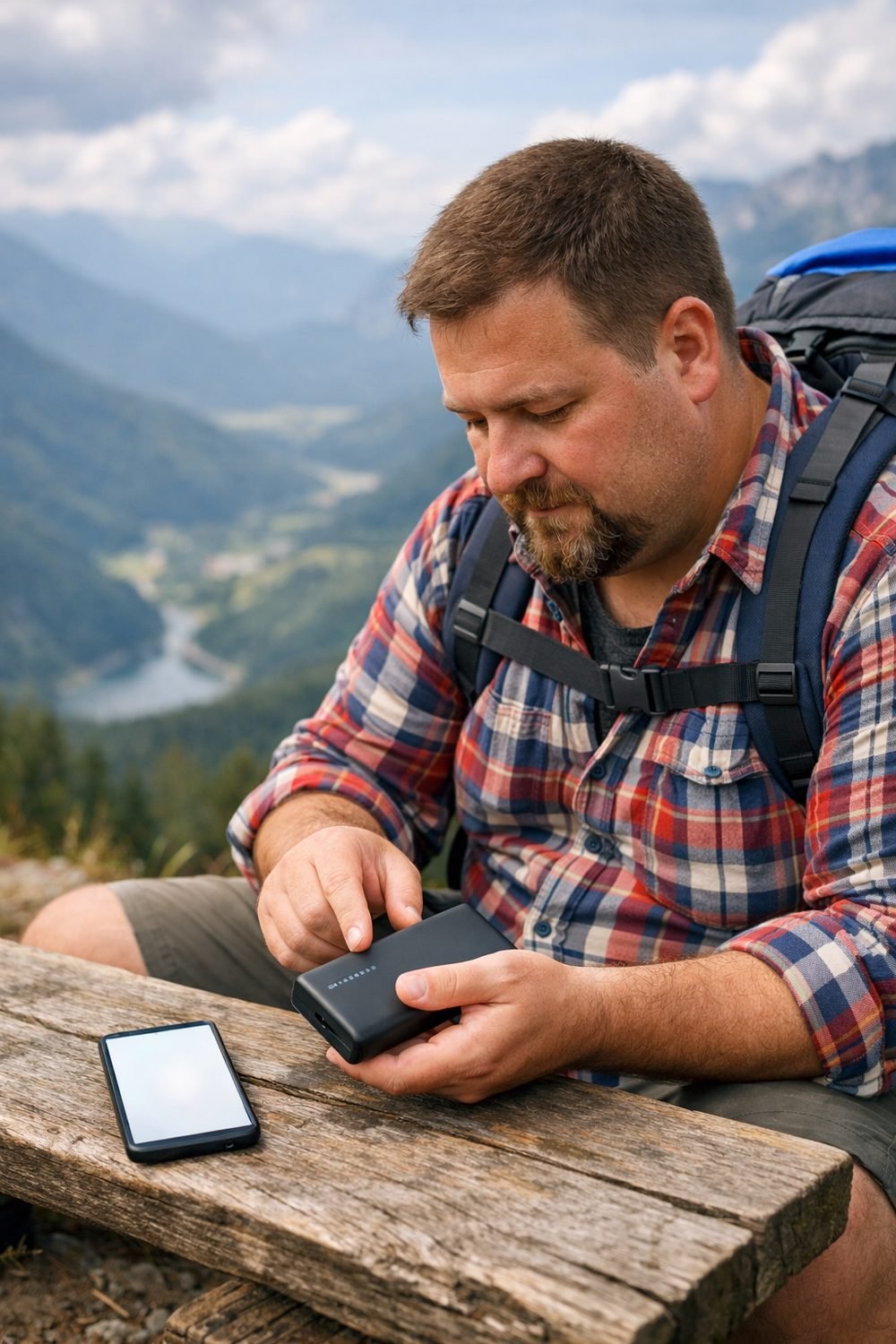
Finding the best portable power bank is not a one-size-fits-all job. Hauling a brick-sized one through several airports is a common mistake, especially if you end up using it only once. It sat in my bag the whole trip like a rock I'd picked up and forgot to throw away.
So instead of telling you to buy the biggest one you can find, I want to help you figure out if you need one at all, and what size makes sense. Some people will get a lot out of a good power bank. Others are better off skipping it, or buying a tiny one and calling it a day.
Here's how I'd think about it, based on what's worked for me and what hasn't.
Short on time? Our top picks: Anker, INIU, UGREEN and Belkin. See all picks

1. Good Fit: You Spend Long Days Out and About With a Small Power Bank
If your travel days look like mine often do, you leave the hotel at 8 a.m. and don't come back until after dinner. Your phone is doing a lot of work. Maps, photos, translation apps, train tickets, messages home. By mid-afternoon, that battery icon starts turning red.
This is where a power bank really earns its spot. Picture standing outside a museum in the rain, trying to pull up an entry ticket with 3% battery. Never again. Now I carry a mid-size bank that can give my phone a full charge or two, and I don't think about it anymore.
You don't need a huge one for city days. A small power bank, such as a compact INIU or Anker model, that fits in a jacket pocket or a small daypack is usually plenty.
Practical tip: Check the capacity listed on the seller's page and compare it to your phone's battery size. That gives you a rough idea of how many charges you'll get. Real-world results are usually a bit lower than the math suggests, so give yourself some wiggle room.
2. Good Fit: You Take Flights, But Only If You Check the Rules
Long flights, delayed connections, airport gates with one working outlet that twelve people are fighting over. A power bank can make all of that a lot less stressful.
But here's the part people skip. Airlines have rules about power banks, and they're not the same everywhere. In many cases, power banks have to go in your carry-on, not your checked bag, and there are often limits on capacity. Some airlines have also added rules about using or charging them during the flight.
Check the exact limits before you fly, because they can change and they differ by airline and country. What I will say is this: look up your airline's current policy before you pack, and check the capacity printed on the bank itself. If the label is worn off or missing, that can cause problems at security.
Practical tip: Pack your power bank somewhere easy to reach in your carry-on. If security wants to look at it, you won't be digging through socks and chargers. If you're still picking out a carry-on, the Carry-On Luggage Buyer's Guide and Comparison Sheets below this post can help you think about pocket layout and size.
3. Good Fit: A Portable Power Bank for Camping, Hiking, or Anywhere Off the Grid
When there's no outlet for miles, a power bank stops being a nice extra and starts being your backup plan. A power bank like this works well for a phone, a small headlamp, and sometimes a pair of earbuds, so you can listen to something while you fall asleep in the tent. If you also bring a laptop, a laptop power bank or a larger EcoFlow unit is a different, heavier choice.
For a weekend trip, a large power bank makes more sense here than it does in the city. You're not just topping up. You might be relying on it for two or three days.
That said, I'd skip the giant ones with built-in flashlights and five extra features unless you really need them. They're heavy, and half those extras end up unused. One simple bank that charges well is often the better choice.
Practical tip: Keep your phone in airplane mode or low power mode when you don't need signal. Your power bank will stretch a lot further. And keep the bank out of direct sun and away from the campfire. Batteries don't love heat.
By the way, if you've got a trip coming up, my free Vacation Countdown Checklist and 1-Day Itinerary Page is a nice way to make sure the charger and the power bank actually make it into your bag.
4. Skip It (or Go Small): You Rarely Travel
If you take one or two short trips a year and spend most of your time near outlets, a big power bank is probably overkill. Plenty of people buy one "just in case," and it ends up sitting in a drawer with the plastic still on it.
A small, slim one may be all you need. Something that gives your phone a decent top-up on a long day out. It's cheaper, lighter, and easier to toss in any bag.
Honestly, a lot of people would do fine with a longer charging cable and a habit of plugging in at cafes or on the train. Not glamorous, but it works.
Practical tip: Before buying, think about the last three trips you took. Did your phone actually die, or did you just worry it might? If it never died, start small.

5. Skip It If Weight Is a Big Deal for You
Bigger capacity means a heavier bank. There's no way around it. If you're a light packer, a backpacker counting every ounce, or someone with a sore shoulder who hates heavy bags, this matters.
A large power bank on a walking trip can pull your daypack down, and you will feel it every single hour. By day two, I left it at the guesthouse. That told me everything.
If weight is your main concern, look for a smaller bank and accept that you'll get fewer charges. Or skip it and plan your charging stops ahead of time.
Practical tip: Look at the weight on the product listing, not just the capacity. Then pick up something around that weight at home, like a can of soup, and carry it in your bag for an afternoon. You'll know pretty quickly if it bugs you.
6. Skip It If You Always Forget to Charge Things
This one's a little personal. A power bank is only useful if it has power in it. If you're the kind of person who forgets to charge your phone overnight, there's a good chance you'll forget to charge the bank too.
It's easy to pull yours out on a train, ready to feel clever, only to find it was empty. That's a special kind of annoying.
If this sounds like you, a power bank isn't a bad idea, but you'll need a habit to go with it. Without that, it's just extra weight.
Practical tip: Tie charging the bank to something you already do. Plug it in the night you lay out your clothes for the next day. Adding "charge power bank" to a packing list helps too. The Trip Planner and Packing Checklist Bundle below this post has space for exactly that kind of reminder.
7. A Few Things I'd Look For (and What I'd Ignore)
If you've decided a power bank fits your travel style, here's what I care about when choosing one:
- A capacity that matches how you travel, not the biggest number on the shelf
- A USB C power bank setup, or whatever ports work with the cables you already own
- A clear capacity label printed on the bank, which helps at airport security
- A size that fits where you'll actually carry it
What would I ignore? Flashy lights, fancy displays you'll never read, and claims that sound too good to be true, even on a wireless power bank. Check reviews from real buyers, compare the power bank price against what you actually get, and read the seller's page carefully.
Power Bank Picks Worth a Look
If you've decided a power bank fits how you travel, these are well-known brands to start with. Match the size.
Anker
A widely known charging brand with options from slim pocket sizes to larger travel models. It suits most phone-first travelers. Check the capacity label and port types on the specific model before buying.
INIU
Known for simple, compact power banks aimed at everyday phone charging. It suits city days and light packers. Check the weight and whether the cable you already own fits its ports.
UGREEN
Offers power banks alongside cables and chargers, so it can suit people who want a matching set. Look at which models support the charging speed your phone can actually use.
Belkin
A familiar accessory brand with a range of portable chargers. It suits people who prefer a name they already recognize from phone cases and cables. Check the size and weight, as some models are bulkier than they look.
Baseus
Makes many slim and multi-port power banks. It suits travelers who charge more than one device at once. Check that the capacity is clearly printed on the bank for airport security.
EcoFlow
Better known for larger portable power stations, which can suit longer camping trips or laptop use. These are much heavier than a phone power bank. Check airline rules and weight before thinking about flying with one.
Mophie
Makes slim power banks and wireless charging options aimed at phone users. It suits people who want something tidy for a bag or pocket. Check whether the wireless option is worth the extra size for you.
Check current plans and prices on each brand's own site before you buy.
FAQ
Can I put a power bank in my checked luggage?
In many cases, no. Lots of airlines require power banks to stay in your carry-on. Rules vary, so check your airline's current policy before you pack.
How big of a power bank do I need for a trip, small or large?
It depends on your days. For city sightseeing, a small or mid-size bank is often enough. For camping or several days without outlets, you'll probably want more capacity.
How long does a power bank hold its charge?
Most hold a charge for a while, but they slowly lose some over time. Top it up the night before any trip, just to be safe. The seller's page may give more detail for your model.
Is a power bank worth it if I only travel once a year?
Maybe not a big one. A small, cheap bank or a longer cable might cover you. Think about whether your phone has actually died on past trips before you buy.
Before You Pack
A power bank can save your day, or it can be a heavy thing you never use. It comes down to how you travel. If you're ready to start planning, grab the free Vacation Countdown Checklist and 1-Day Itinerary Page so nothing gets left behind. Then take a look at the guides below this post if you want a little more help with your bag and packing list.
Printables and tools that can help
Carry-On Luggage Buyer's Guide and Comparison Sheets
A printable guide and comparison sheets to write down what matters to you before you look at any seller...
See detailsTrip Planner and Packing Checklist Bundle
A printable bundle with a 30-day goal page, weekly planner and checklists for frequent travelers and...
See details