Best Personal Item Bag for Planes: Features Compared Side by Side
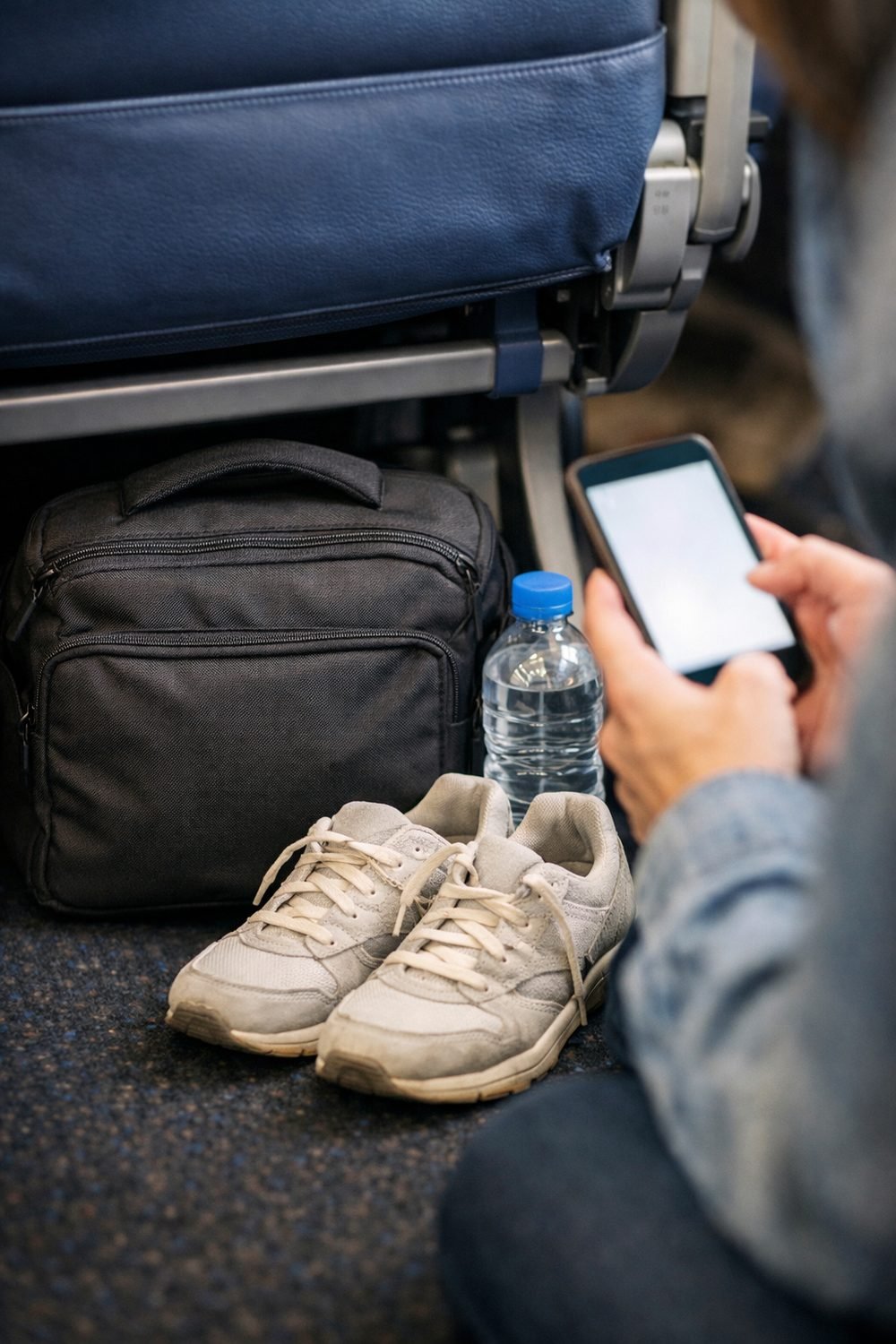
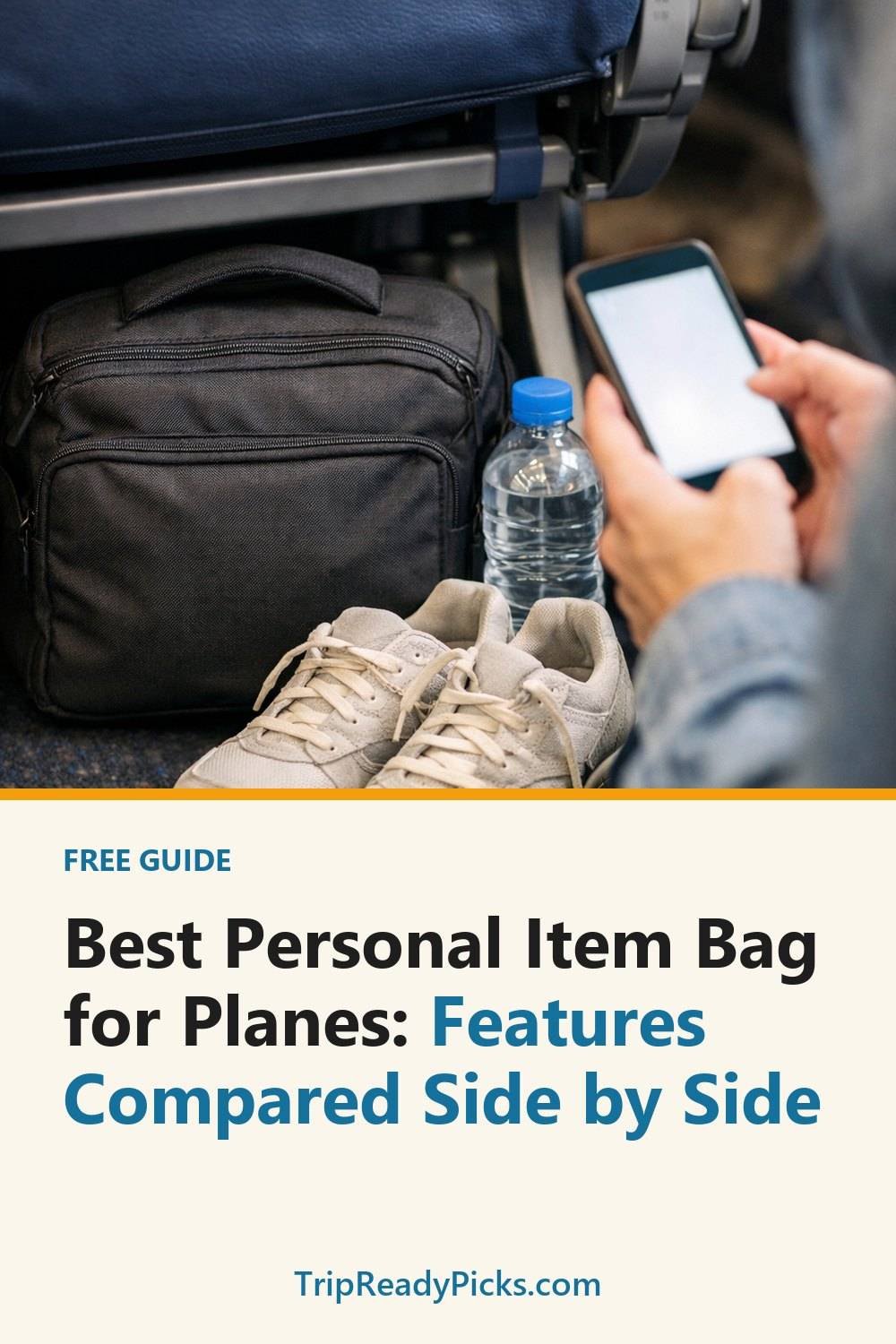
The best personal item bag for planes has one job before anything else: it has to fit under the seat in front of you. That sounds simple until you're standing in the boarding line, watching a gate agent eye your stuffed backpack. Being that person is no fun, so it pays to check the dimensions before you fly.
So instead of naming one "perfect" bag (there isn't one), I'm comparing the features that actually matter, side by side. Read through them, decide which ones you care about most, and you'll shop a lot faster.
Short on time? Our top picks: Away The Everywhere Bag, Osprey Daylite or Farpoint Packs, Peak Design Everyday Backpack and Patagonia Black Hole Pack. See all picks
1. Airline Size Limits Come First
Every airline sets its own personal item size, and they don't all agree. Some are generous. Some, especially budget carriers, are strict and actually measure bags at the gate. A bag that sailed through on one trip can get flagged on the next.
Before you buy anything, look up the exact personal item dimensions on the website of the airline you fly most. Write them down. Then compare them to the listed size of any bag you're considering. Pay attention to whether the seller's measurement includes wheels, handles or the bulge of a full front pocket. Often it doesn't.
Practical tip: If you fly a few different airlines, shop for the smallest limit on your list. A bag that fits the strictest rule fits all of them.
2. Capacity: Pack It on Paper First
Capacity is usually listed in liters, and honestly, that number doesn't tell me much on its own when you're picking the best travel personal item bag. Two bags with the same liter count can feel completely different depending on shape. A boxy bag holds more usable stuff than a rounded one.
What helped me was writing a list of what I actually carry on a flight. For me it's a laptop, charger, headphones, a water bottle, a light sweater, snacks, meds, and a small toiletry bag. Once you see your list, it's easier to tell if a bag will work or if you're dreaming.
Be honest about overpacking, too. A bigger bag isn't always better. If it fits the size limit only when half empty, it's going to cause trouble.
Practical tip: Lay your items out on a bed in a rough rectangle. Measure that pile. It gives you a better feel for the space you need than any liter number.
3. Pockets You'll Actually Use
Here's where I'll admit something. Many people think more pockets means a better bag. A bag with a dozen little compartments can turn every flight into a hunt through zippers for your boarding pass, so a few well-placed pockets usually work better.
The pockets that matter most are the quick-access ones, like a spot that works as a passport bag for travel. You want an outer spot for your phone, ID and passport holder, and a padded sleeve if you carry a laptop or tablet. A water bottle pocket on the side is nice, as long as the bottle doesn't make the bag too wide to slide under the seat.
Beyond that, a few roomy sections usually beat lots of tiny ones. You can always add pouches if you like things sorted.
- Worth having: a front quick-grab pocket, a laptop sleeve, a small zip pocket for valuables
- Nice but optional: a side bottle holder, a key clip, a hidden back pocket
- Usually overrated: loads of mesh slots you'll forget exist
Practical tip: Think about security lines. If your laptop sleeve opens flat or sits right at the top, you'll get through faster and with less fumbling.
4. Straps and Carry Style for a Travel Backpack Personal Item
How you carry the bag changes everything about how a travel day feels. A backpack, such as the Osprey Daylite, spreads the weight across both shoulders, which helps on long walks between gates and makes it a good pick if you want the best carry on personal bag. A tote or shoulder bag is quicker to grab and usually easier to slide under a seat, but one shoulder takes all the load.
Look for padded straps if you'll carry it a while. Thin straps dig in fast once the bag is full. A trolley sleeve on the back, found on many Samsonite bags, is one feature I'd really push for. It lets you slip the bag over the handle of your rolling suitcase, and your shoulders get a break.
Practical tip: If you're stuck between a backpack and a tote, think about your longest airport walk. Lots of connections? Go backpack.
If you're planning a trip soon, the free Vacation Countdown Checklist and 1-Day Itinerary Page is a handy little thing to grab when you join the email list.
5. Weight of the Empty Bag
This one gets skipped a lot. Some airlines have weight limits for carry-on items, and every ounce the bag itself weighs is an ounce you can't use for your stuff. Heavy leather or lots of hardware look nice but add up.
Check the listed empty weight on the product page. Lighter fabrics like nylon or polyester tend to keep things manageable. That said, the lightest bag isn't always the right pick if it feels flimsy or the zippers seem cheap.
Practical tip: Look for reviews that mention how the bag held up after several trips, not just how it looked out of the box.
6. Material, Zippers and Build
A personal item gets shoved, kicked, dropped on dirty floors and dragged out from under seats. It needs to handle that. Water-resistant fabric is a big plus, especially if you've ever set a bag down on a wet sidewalk outside the airport.
Zippers are where cheap bags usually fail first. Sturdy ones that glide without catching make a real difference. Some bags have lockable zippers, which I like for peace of mind on busy trains or crowded terminals.
Practical tip: Check whether the bottom is reinforced. That's the part that takes the most abuse, and a thicker base helps the bag stand up on its own.
7. Return Terms Before You Commit
It's wise to check the return policy before buying a personal item bag. You really don't know if a bag works until you pack it with your actual things and try it under a seat, or at least in a box cut to your airline's size.
Read the seller's page for how long you have to return it, whether used items are accepted, and who pays return shipping. These details vary a lot. If the terms seem unclear, ask the seller directly before ordering.
Practical tip: Do a test pack the day the bag arrives. Leave the tags on until you're sure.
Choosing the Best Personal Bag for Travel Side by Side
Once you've narrowed it to two or three bags, compare them on the same points: size versus your airline, real capacity, pocket setup, carry style, empty weight, build quality and return terms. Seeing them in one place makes the choice clearer than flipping between tabs.
If you also need a bigger bag for the overhead bin, the Carry-On Luggage Buyer's Guide and Comparison Sheets below this post are set up for comparing carry on bags for planes side by side.
Personal Item Bags Worth a Look
These are well-known bags that many travelers consider for under-seat use. Use the features above to decide which one fits your airline and your packing list.
Away The Everywhere Bag
Suits travelers who want a clean, structured look that works for both travel and daily errands. Check the current listed dimensions against your airline's personal item limit before ordering.
Osprey Daylite or Farpoint Packs
A good fit for people who walk a lot between gates and want a comfortable backpack with solid straps. Check the exact size of the model you pick, since some packs in the range are larger than a typical personal item allowance.
Peak Design Everyday Backpack
Suits photographers and gadget carriers who like organized, easy-access storage. Check the size option carefully, because the larger versions may not fit under the seat on strict airlines.
Patagonia Black Hole Pack
Suits people who want a weather-resistant, soft-sided bag that can squish into tight spots. Check the size you choose, and whether its simple interior has enough organization for your daily carry.
Tortuga Setout Backpack
Suits travelers who like a backpack designed around travel, with easy packing access. Check the volume and dimensions against your smallest airline limit.
Samsonite Underseat Bags
Suits people who want a trusted luggage brand and often like a trolley sleeve for pairing with a rolling suitcase. Check that the specific model is sold as an under-seat size, and read the return terms.
Cotopaxi Allpa Travel Packs
Suits travelers who want a colorful, durable pack with a roomy main compartment. Check the size and weight of the model, as the range includes bags well beyond personal item size.
Check current plans and prices on each brand's own site before you buy.
FAQ
What's the difference between a personal item and a carry-on bag?
A personal item is the smaller bag that goes under the seat in front of you. A carry-on is the larger bag that goes in the overhead bin. Many airlines allow one of each, so a carry on and personal item set often works, but basic fares sometimes only include the personal item, so check your ticket.
Will a soft bag fit better than a structured one?
Often, yes. Soft bags can squish a little to fit tight spaces. Just remember that if it's overstuffed, it can still bulge past the size limit.
Do gate agents really measure personal items?
Some do, especially on budget airlines. It isn't consistent, so it's safest to stick to the posted size rather than hope nobody checks.
Can I bring a purse along with my personal item?
It depends on the airline. Many count a purse as your personal item, not an extra. Read your airline's baggage page before you fly so you're not surprised at the gate.
If you've got a trip coming up, start by grabbing the free Vacation Countdown Checklist and 1-Day Itinerary Page through the sign-up box. Then take a look at the Trip Planner and Packing Checklist Bundle below this post. Pair it with your bag shortlist and you'll head to the airport a lot calmer.
Printables and tools that can help
Carry-On Luggage Buyer's Guide and Comparison Sheets
A printable guide and comparison sheets to write down what matters to you before you look at any seller...
See detailsTrip Planner and Packing Checklist Bundle
A printable bundle with a 30-day goal page, weekly planner and checklists for frequent travelers and...
See details