Best Flight Pillow: Pros, Cons and Alternatives
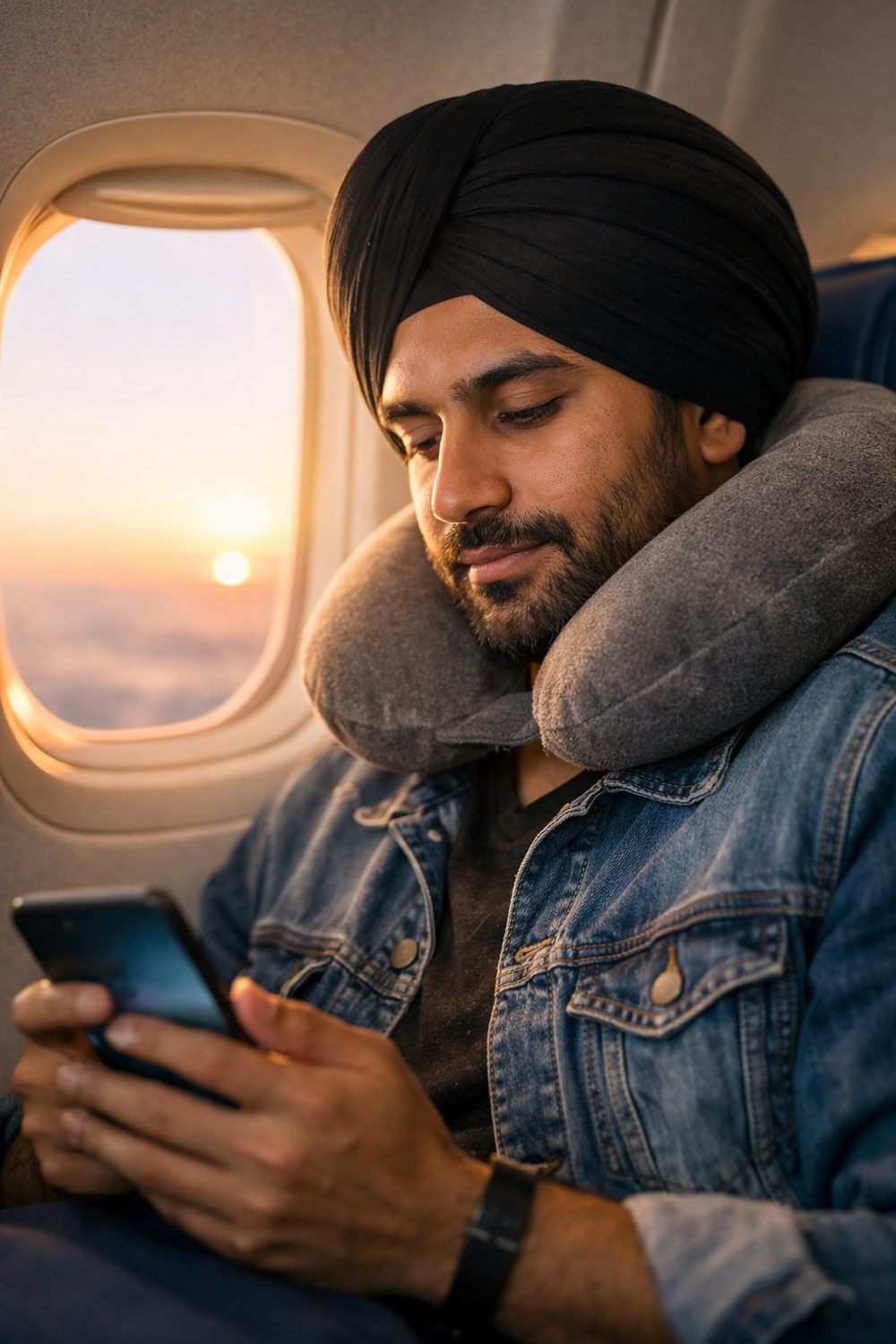
Many people assume the best flight pillow is a must-have for every trip, but it isn't always worth the space. A stiff U-shaped pillow can push your chin into your chest on a red-eye, which is a good reason to test other options. Some worked better. Some were a waste of bag space.
Here's what I've learned about the main types of pillows and the alternatives, so you can find the best neck pillow for long flights. Each one has real pros and cons, and the best pick depends on how you sleep, how you pack and how long you'll be in that seat.
Short on time? Our top picks: Cabeau Evolution Classic, Cabeau TNE, Trtl Travel Pillow and Sea to Summit Aeros Premium Pillow. See all picks
1. Blow Up Travel Pillow Options
These are the small travel pillow picks that fold down to the size of a sandwich. You blow them up once you're seated, and you let the air out when you land. If you pack light or only bring a small backpack, that's a big deal.
The downside is comfort. Plastic against your skin gets sweaty, and a fully inflated pillow can feel like resting your head on a beach ball. Some have a soft fabric cover, which helps a lot. It's worth buying one only if it has this feature.
They also tend to slip or lose air slowly over a long flight. Mine always seems a little softer by hour five. Not a disaster, just something to expect.
Practical tip: Don't fill it all the way. Leave it about three-quarters full so it shapes around your neck instead of pushing against it. You can always add a puff of air later.
2. Memory Foam Travel Pillow Picks
This is the classic flight neck pillow, like the Cabeau Evolution Classic, and honestly, the foam versions are the most comfortable of the bunch for me. They hold their shape, they feel soft and they don't need any setup. You just put it on and lean back.
The problem is size. Even the "compressible" ones take up a real chunk of space. Many people clip them to the outside of their bag, which works until it's dragging on a dirty floor or getting squished in an overhead bin.
The U-shape is also a little overrated. If your head falls forward when you sleep, the open front gives you nothing. A lot of people end up turning it backwards so the thick part sits under the chin.
Practical tip: Check whether the cover comes off and can be washed. A pillow that touches your face, plane seats and airport benches needs a wash now and then. The seller's page should say if it's machine washable.
3. Wrap-Around and Scarf-Style Neck Pillows for Long Flights
These are newer, and I like the idea a lot. Some are soft scarves you can roll or bunch up for support. Others are fabric wraps with a firm insert that runs along one side of your neck, held in place with a strap.
The big win is that they double as something useful. A big scarf keeps you warm on a cold plane, works as a blanket and doesn't look like you're carrying a toilet seat cover around the terminal. You can wear it through security and not count it as a bag item.
Support is lighter, though. A plain scarf won't hold your head up the way foam does. The ones with a built-in support panel do better, but they only help on one side, so you'll want a window seat or a good wall to lean on.
Practical tip: Roll a scarf tight and tuck it between your shoulder and the window. It gives you a firmer surface to rest on than a loose wrap around your neck.
4. Eye Masks
An eye mask, such as the Manta Sleep Mask, isn't a pillow at all, but I've come to think it does more for sleep than most pillows do. Cabin lights, the screen next to you, sunrise through someone's window shade. Blocking all that makes a huge difference.
They're tiny, cheap and easy to toss in a pocket. The contoured kind with little cups over the eyes is worth looking at, because you can blink without the fabric pressing on your lashes. Flat ones can feel tight after a while.
The obvious con is zero neck support. If your head keeps flopping, a mask won't fix it. It works best as a partner to something else, not a replacement.
Practical tip: Try your mask at home for a full night before you travel. If the strap gives you a headache in bed, it'll be worse on a plane.
If you're planning a trip right now, our free Vacation Countdown Checklist and 1-Day Itinerary Page is a nice way to keep the small stuff, like remembering your mask, from slipping through the cracks.
5. The Humble Hoodie Hood
This one costs nothing, and you may find yourself reaching for it more often than you'd expect. Pull your hood up, pull the strings a little and you've got a soft, warm pocket for your head. It also blocks some light and gives you a bit of privacy.
On its own, the support is pretty weak. But a hoodie gets better when you stuff something into it. You can roll up a t-shirt and tuck it into the hood behind your neck, which can work surprisingly well on a short flight.
There are also "travel hoodies" with a built-in inflatable pillow in the hood. They aren't essential, but if you want a single item that does everything, they might be worth checking out.
Practical tip: Wear the hoodie onto the plane instead of packing it. Planes can get chilly, and you'll have it ready the moment you want to sleep.
6. Seat and Lumbar Cushions
People forget about the lower back, but on a long-haul flight, that's often where I feel it the most. Airplane seats aren't shaped for real humans. A small lumbar cushion fills the gap behind your lower back and can make sitting upright less tiring.
Some travelers bring a seat cushion too, which is one of the best travel accessories for long flights. If you have back trouble or sit for many hours, it can help. If you have an actual back or neck issue, though, I'd ask a doctor or physical therapist what kind of support makes sense for you.
The catch is clear. It's one more thing to carry. On a two-hour hop, I skip it. On a twelve-hour flight, I'm glad I brought it.
Practical tip: An inflatable lumbar pillow packs flat and does most of the job. Or try a rolled sweater behind your back first, and see if you even need to buy anything.
7. Mix and Match: My Best Travel Pillow Setup
After all the testing, I don't rely on one pillow. On long flights, I bring a scarf, an eye mask and an inflatable neck pillow with a fabric cover. Together they take less room than one big foam pillow.
On short flights, I usually just bring the mask and wear a hoodie. That's it. Buying a fancy pillow for a 90-minute flight is something I'd skip.
Your setup might look different. Side sleepers often do better with window seats and something to lean on. If your head drops forward, look at chin-support styles. When you're sorting this stuff out, the Trip Planner and Packing Checklist Bundle below this post can help keep comfort items from fighting for space with everything else.
Practical tip: Before you buy, look at your bag. If your carry-on is already tight, an inflatable or scarf-style option will save you a headache at the gate. Our Carry-On Luggage Buyer's Guide and Comparison Sheets, also below this post, can help if you're picking a bag too.
Our top picks
Here are some well-known options that match the types we covered above. Pick the one that fits your sleep style, your bag and the length of your flight.
Cabeau Evolution Classic
A memory foam U-shaped pillow that suits travelers who want a familiar, no-setup option. Check how much space it takes in your bag, since foam pillows are bulkier than inflatables.
Cabeau TNE
A wrap-style pillow designed to support the chin and sides of the head. It suits people whose heads drop forward when they doze. Check whether the cover is removable and washable before you buy.
Trtl Travel Pillow
A scarf-style wrap with an inner support piece, good for light packers who want something wearable. Support sits mostly on one side, so think about whether you usually get a window seat.
Sea to Summit Aeros Premium Pillow
A packable inflatable pillow that suits backpackers and carry-on-only travelers. It is a standard pillow rather than a neck wrap, so check whether you want that shape for sleeping upright.
Manta Sleep Mask
A contoured eye mask that suits anyone bothered by cabin lights or sleeping in daylight. Check the fit of the strap and how well it blocks light around your nose.
Mack's Ear Plugs
Soft foam earplugs that suit light sleepers who want to dull engine and cabin noise. Check the fit in your ears, and try them at home first.
Bose QuietComfort Headphones
Noise-cancelling headphones that suit frequent flyers who want quieter, calmer rides. They add bulk to your bag, so check whether you would rather use earplugs on short trips.
Check current plans and prices on each brand's own site before you buy.
FAQ
Do flight pillows count as a carry-on item?
Many airlines let you bring a pillow without counting it as your personal item, but rules differ. Check your airline's baggage page before you fly. Wearing a scarf-style option or clipping a pillow to your bag can also help.
Is memory foam the best neck pillow for travel, or is inflatable better?
For comfort, I think foam usually wins. For packing, inflatable wins by a mile. It really comes down to how much space you have and how long the flight is.
What if my head falls forward when I sleep?
A regular U-shaped pillow often won't help with that. Try turning it around so the thick part sits under your chin, or look for wrap-style pillows that support the front. Leaning your seat back a little, if you can, helps too.
Can I just skip the pillow?
Sure, plenty of people do. A hoodie, a rolled-up jacket and an eye mask can get you pretty far, especially on shorter flights. Try that first and buy something only if you feel you need it.
If you've got a trip coming up, start by grabbing the free Vacation Countdown Checklist and 1-Day Itinerary Page so your planning stays in one place. Then take a look at the guides below this post if you want help with packing or choosing a carry-on. And whatever you pick, test it at home on the couch first. Your neck will thank you.
Printables and tools that can help
Carry-On Luggage Buyer's Guide and Comparison Sheets
A printable guide and comparison sheets to write down what matters to you before you look at any seller...
See detailsTrip Planner and Packing Checklist Bundle
A printable bundle with a 30-day goal page, weekly planner and checklists for frequent travelers and...
See details