Best Digital Camera for Travel: Questions to Ask First
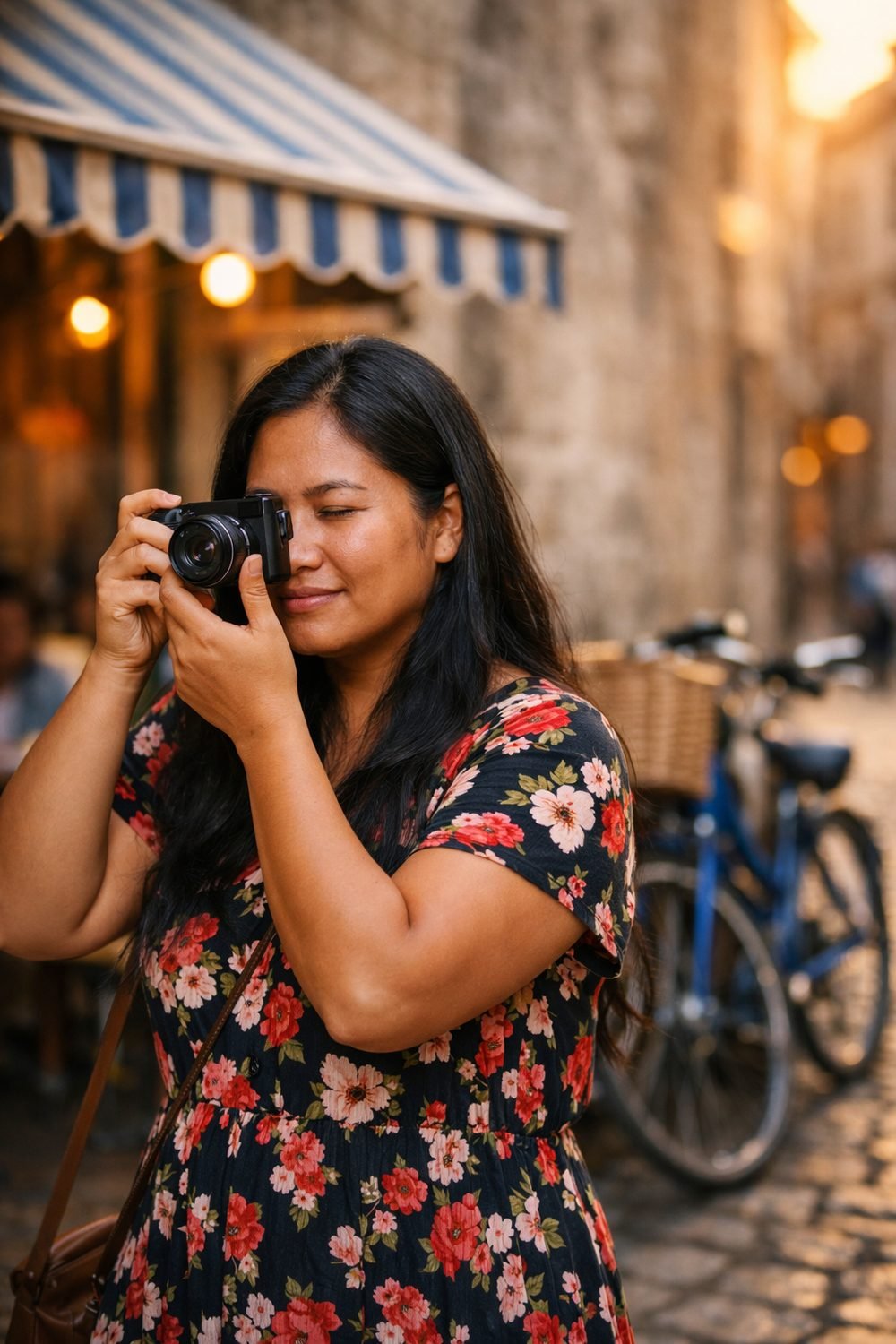
The best digital camera for travel should be small and simple. That sounds obvious, but I've watched plenty of people (me included) buy something big and impressive, then leave it in the hotel safe by day three because it was a pain to carry.
So before you pick a camera, it helps to ask a few honest questions. None of them need a tech degree. They just need you to think about how you actually travel, not how you wish you traveled.
Short on time? Our top picks: Sony RX100 series, Canon PowerShot G7 X series, Panasonic Lumix compact travel zooms and Ricoh GR series. See all picks
1. Will this small camera for travel fit in the bag you already carry?
This is the question I'd ask first, every time. If the camera doesn't slide into your daypack, sling bag, or jacket pocket without a fight, you'll use it less. A camera you leave behind takes zero photos.
With a bulky camera, it's easy to spend half a walking tour shifting the strap from one shoulder to the other. The pictures were nice. The neck ache was not. These days I'd take a slightly less fancy point and shoot camera for travel, like a Canon PowerShot, that I actually pull out over a great one I resent carrying.
Tip: Before buying, measure the inside of the bag you use most. Then compare that to the camera's listed dimensions on the seller's page, and leave some room for the lens cap and a spare battery.
2. How much zoom do you really need on a travel camera?
Zoom range is where a lot of travel cameras try to win you over. A long zoom is great for wildlife, distant buildings, or a street performer across a square. But if most of your photos are food, friends, and city streets, you may never touch the far end.
Think back to your last trip. What did you wish you could get closer to? If the answer is "not much," a wider, simpler lens might suit you better, and it often means a smaller body too.
Tip: Look at the zoom range in the specs and check whether the seller separates optical zoom from digital zoom. Optical zoom uses the lens itself. Digital zoom mostly crops the image, so it's less useful than the number suggests.
3. How long does the battery last?
Most camera makers list a number of shots per charge. Treat that as a rough guide, not a promise. Cold weather, lots of video, and checking photos on the screen can all drain it faster.
Cold mornings can drain a battery quickly, sometimes right as the light gets good. Now I always pack a spare. Honestly, a second battery is one of the few camera extras I'd call worth it from day one.
Also check how the camera charges. Some charge over a USB cable, which means you can top up from a power bank or the same cable as your phone. Others need a separate charger, which is one more thing to pack and forget in a hotel outlet, so think of it as part of your travel kit.
Tip: Search the product page for the listed shots per charge and the charging method. If you're flying, check your airline's rules for carrying spare batteries.
4. Do you care about video, and how much?
Some people want a camera mostly for clips: a market, a waterfall, a kid's first time seeing the ocean. Others barely press record. Be honest about which one you are, because video features can push the price up.
If you do shoot video, look at the resolution and frame rate options listed. Higher resolution files take up more space on your memory card, so you'll want a bigger card or a way to clear it out each night. Image stabilization matters a lot for walking shots, too. Without it, your footage can look shaky.
If you only want quick clips to send to family, your phone might already do the job. You can skip paying extra for top video specs you won't use.
Tip: Watch a few sample clips from real users before you decide, if the seller or a review site shares them. Specs only tell you so much.
5. How easy is it to get photos onto your phone?
This one gets overlooked, and it's the thing that annoys people most after they buy. If moving photos to your phone is slow or confusing, your pictures stay stuck on the card until you get home. Then you forget about them.
Many cameras now connect to a phone app over Wi-Fi or Bluetooth. Some work smoothly. Others drop the connection and make you start over. The listing will usually say what kind of connection the camera has, but it won't tell you how pleasant the app is.
Tip: Look up the camera's companion app in your phone's app store and read the recent reviews. If lots of people say it's buggy, take that seriously.
While you're getting ready, you might like the free Vacation Countdown Checklist and 1-Day Itinerary Page you get for joining the email list. It's a simple way to keep the little prep jobs, like charging batteries, from slipping.
6. Can you use it without reading the manual?
Travel isn't a great time to learn a complicated camera. You're tired, the light is changing, and someone is waiting for you to take the shot. A camera with a decent auto mode and clear buttons will serve most people better than one packed with menus.
It's also worth thinking about the screen. A screen that tilts helps with low or high angles, and a bright screen is easier to see in strong sun. Small details, but you notice them on a beach at noon.
Tip: If you can, hold the camera in a store before buying. See if the buttons make sense to you within a minute or two.
7. Is it tough enough for where you're going?
Not everyone needs a rugged camera, such as an Olympus Tough model. But if your trip involves boats, beaches, rain, or hiking, it's worth checking what the seller says about weather sealing or water resistance. Read the exact wording. "Splash resistant" and "waterproof" are not the same thing.
For city trips, I wouldn't pay extra for toughness. A simple case does a lot of the work for less money.
Tip: Think about how you'll carry the camera with your luggage, too, perhaps in a padded travel camera bag from a brand like Peak Design. If you're packing light, the Carry-On Luggage Buyer's Guide and Comparison Sheets below this post can help you plan space for gear.
8. What is the return policy?
Here's the question people skip, then regret. You won't really know if a camera suits you until you've used it for a few days. A clear return window gives you time to test it on a short outing before your big trip.
Check how many days you have, whether opened items can be returned, and if there's a restocking fee. Policies differ a lot between sellers, so read the terms on the seller's page rather than assuming.
Tip: Buy the camera a few weeks before you leave. Take it on a local day trip, try the battery, test the phone app, and decide while you can still send it back.
Cameras and gear worth a look
These are real, well-known options that tend to come up for travelers who want something compact. Treat them as starting points, then run them through the questions above.
Sony RX100 series
Suits people who want a pocket-sized compact with a serious reputation. Check which model in the series you are looking at, since the zoom range and features differ between them.
Canon PowerShot G7 X series
A good fit for travelers who like a simple, point-and-shoot feel and also shoot some video. Look at the listed battery life and charging method before you commit.
Panasonic Lumix compact travel zooms
Suits people who want a longer zoom without carrying a big camera. Check the optical zoom figure and the body size against your daypack.
Ricoh GR series
Suits street and city photographers who like a small camera with a fixed wide lens. Remember it is not a zoom camera, so think about whether that fits how you shoot.
Olympus Tough series (now sold under OM System)
Suits trips with beaches, rain, or hiking where a rugged body matters. Read the exact water and shock resistance wording on the seller's page, and check which models are currently sold.
GoPro Hero series
Suits people who mostly want action clips and a tough, small body. It is not a replacement for a zoom camera, so check whether it covers the photos you want.
Peak Design camera bags and straps
Suits anyone who wants a padded way to carry a camera in a daypack. Check the bag's inside dimensions against your camera before you buy.
Check current plans and prices on each brand's own site.
FAQ
Is my phone good enough instead of a camera?
For a lot of people, yes. Phones handle everyday travel photos well. A separate camera tends to help most with zoom, low light, or when you want to save your phone's battery for maps.
Should I buy extra accessories right away?
It's best to start small with a few of the best travel accessories. A spare battery, a memory card, and a simple case cover most needs, and they rank among the best travel items for photographers. You can add more later once you know how you actually shoot.
How big a memory card should I get?
It depends on how much you shoot and whether you record video. Video fills cards faster, so check the camera's recommended card type on the seller's page and consider carrying a second card.
When should I buy before a trip?
A few weeks ahead is a good idea. That gives you time to practice, test everything, and use the return window if the camera isn't right.
Before you go
The best travel camera is the one that fits your bag, your habits, and your patience, so choose with care. Ask these questions, be honest with your answers, and you'll likely end up with something you actually use. Your next step: grab the free Vacation Countdown Checklist and 1-Day Itinerary Page by joining the email list, then take a look at the Trip Planner and Packing Checklist Bundle below this post if you'd like help keeping your camera gear and everything else organized.
Printables and tools that can help
Carry-On Luggage Buyer's Guide and Comparison Sheets
A printable guide and comparison sheets to write down what matters to you before you look at any seller...
See detailsTrip Planner and Packing Checklist Bundle
A printable bundle with a 30-day goal page, weekly planner and checklists for frequent travelers and...
See details