Best Compression Bags for Travel: Who It Suits and Who Should Skip It
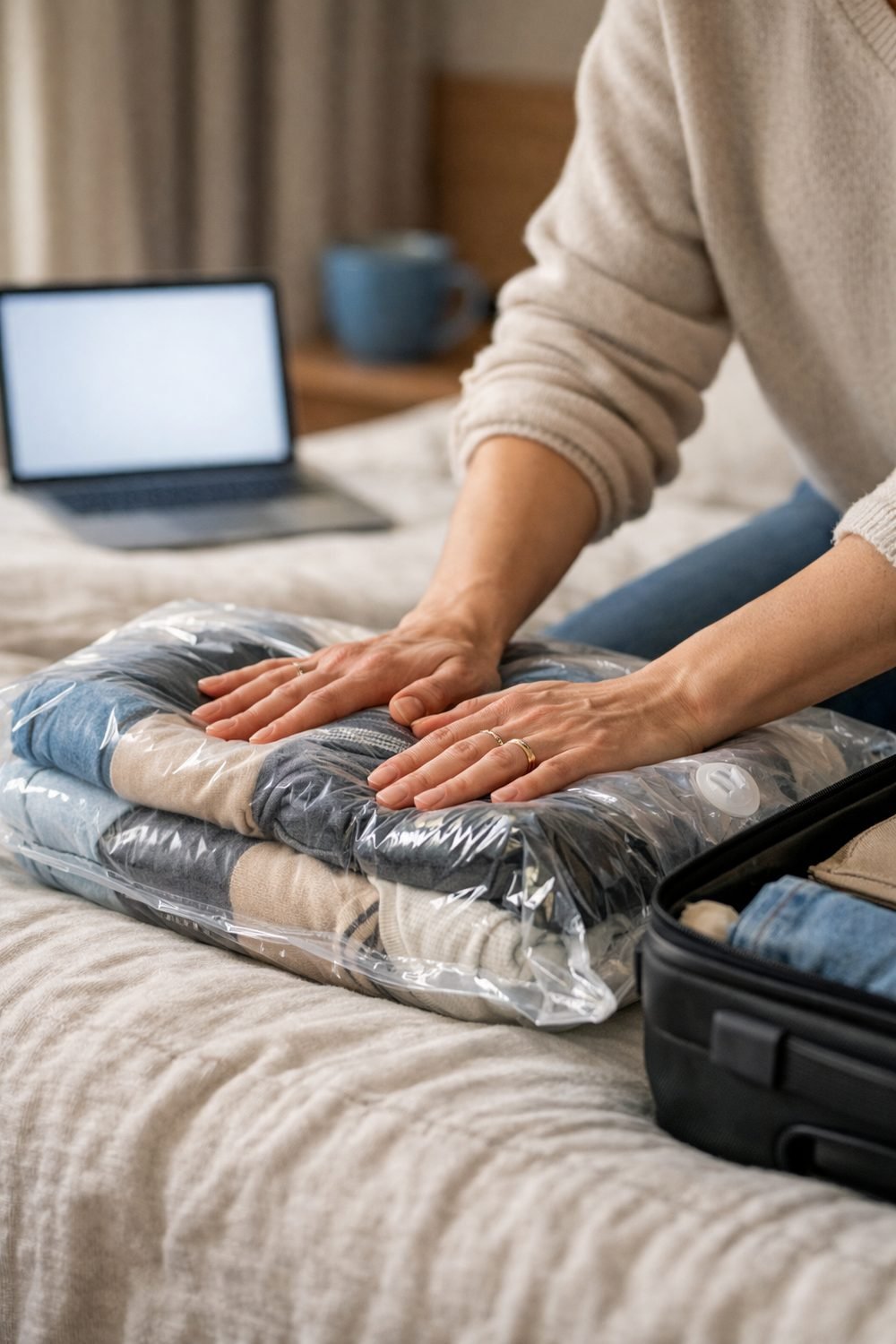
The best compression bags for travel help some travelers a lot. Others pack them once, fight with them in a hotel room, and never use them again. You may fall into both groups, depending on the trip.
So instead of telling you they're a must-have, I'll walk through who they actually suit and who should skip them. If you see yourself in the "skip" sections, that's good news. You just saved a few dollars and some frustration.
Quick note on types: there are roll-up bags (you squeeze the air out by rolling, no vacuum needed) and vacuum bags (you need a vacuum or pump). For compression bags for travel with no vacuum needed, roll-up bags such as Ziploc Space Bag Roll-Up Bags are the practical choice, since you won't have a pump on the way home. Compression cubes for travel, such as Bagail Compression Packing Cubes, are a third option that sit somewhere in between.
Short on time? Our top picks: Eagle Creek Pack-It Compression Sacks, Sea to Summit Compression Dry Sacks, Gonex Compression Packing Bags and Bagail Compression Packing Cubes. See all picks
1. Good Fit: You're Packing Bulky Clothes
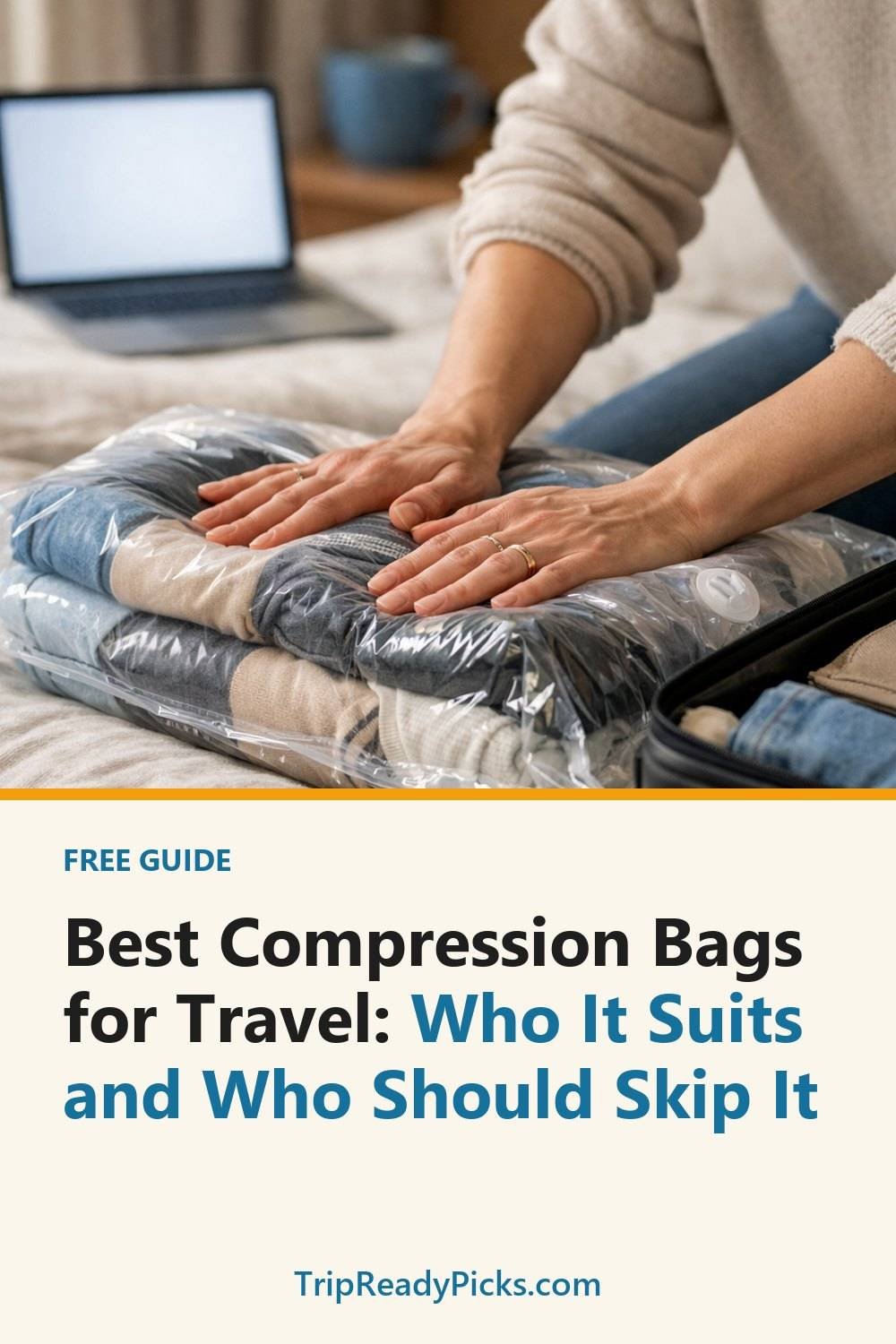
This is where compression bags really shine. Puffy jackets, fleece, thick sweaters, wool socks, a hoodie you can't live without. These things are mostly air, and air is exactly what the bags push out.
The first time I packed for a winter trip, my down jacket alone took up about a third of my suitcase. Rolled into a compression bag, it shrank to something closer to a loaf of bread. That one bag freed up room for boots I'd planned to wear on the plane.
Thin cotton t-shirts and linen pants? Not much change. They're already flat, so the bag doesn't have much to work with.
Tip: Fold bulky items to the width of the bag first, then roll from the closed end toward the valve. Press out the air with your knees as you go. It's not graceful, but it works.
2. Good Fit: You're Going Away for a Long Time and Need Luggage Compression Bags
On a weekend trip, you probably don't need to squeeze anything. On a three-week trip, or a move between seasons, every bit of space counts.
Long trips also mean you'll likely pack clothes for different weather. Compression bags let you squash down the stuff you won't need until later. It works well to keep cold-weather layers in one bag at the bottom of your case, sealed and out of the way, until the temperature drops.
They're handy for dirty laundry too. Squeezing worn clothes into a bag keeps them apart from clean ones and stops the smell from wandering. On a long trip, that matters more than you'd think.
Tip: Label your bags with a bit of tape and a marker. "Warm layers" or "Week 2" saves you from unrolling everything to find one sweater.
3. Good Fit: Your Bag Is Tight on Space
If you travel carry-on only, or your suitcase is on the small side, compression bags can be the difference between zipping it shut and sitting on it.
That said, they don't make anything vanish. You'll still have the same stuff, just in a smaller shape. If your bag is overstuffed because you packed six pairs of shoes, a compression bag won't fix that.
If you're still choosing a carry-on, it helps to know the inside shape before you buy. A boxy interior fits flat compression bags better than one with lots of curves and wheel bumps. Our Carry-On Luggage Buyer's Guide and Comparison Sheets, below this post, can help you compare sizes side by side.
Tip: Pack compressed bags flat against the back panel of your suitcase first, then fill the gaps around them with smaller soft items.
By the way, if you're counting down to a trip right now, you can grab our free Vacation Countdown Checklist and 1-Day Itinerary Page when you join the email list.
4. Skip If: You Already Pack Light
Some people travel with a small backpack and four shirts. If that's you, compression bags are probably overkill. You don't have enough bulk to compress.
Regular compression packing bags or plain cubes like Peak Design Packing Cubes may do the job better. They keep things tidy and easy to find, and they don't need rolling or squeezing. Honestly, for most of my summer trips, I skip compression completely and just use two cubes.
There's also something to be said for not adding extra steps. Packing light is partly about keeping things simple. Wrestling air out of plastic every morning isn't simple.
Tip: Try a test pack before buying anything. Lay out your usual trip clothes and see if they fit without help. If they do, keep your money.
5. Skip If: You Hate Wrinkles
Here's the part nobody puts on the box. Compression creases clothes. Sometimes a little, sometimes a lot, depending on the fabric.
Dress shirts, linen, and anything you need to look sharp in usually come out looking slept in. This can go wrong with a button-down you planned to wear to dinner on the first night. The hotel didn't have an iron. You may end up wearing a t-shirt instead.
Knits, fleece, and synthetic travel fabrics tend to bounce back fine. So it's not all or nothing. You just have to be picky about what goes in the bag.
Tip: Keep wrinkle-prone items out of compression bags entirely. Fold them flat on top, or use a regular cube. Hanging them in a steamy bathroom can help if something does crease.
6. Skip If: You're Worried About Weight Limits
This one trips people up. Compression bags save space, not weight. In fact, they add a little, since the bags themselves weigh something.
The bigger risk is that extra space tempts you to pack more. Suddenly your suitcase closes easily, but it's over the airline's weight limit at check-in. Repacking on the airport floor because of this is no fun.
If your airline has a strict limit on carry-on weight, check its rules before you go. Some budget carriers are tougher than others, and limits change.
Tip: Weigh your packed bag at home with a simple luggage scale or a bathroom scale. Do it after compressing, since that's when overpacking usually happens.
7. Worth Knowing: Bags Don't Last Forever
This isn't a reason to skip them, but it's worth expecting. Cheap compression bags can lose their seal over time. The zipper splits, or a valve stops holding, and your jacket slowly puffs back up mid-trip.
A couple of decent bags beats a big pack of flimsy ones. Read the product details and reviews on the seller's page so you know what you're getting, and check the zipper closely when they arrive.
Tip: Bring one spare bag on longer trips. It weighs almost nothing and saves you if one fails halfway through.
Our Top Picks for Compression Bags and Cubes
Here are some well-known options that fit the types of travelers covered above. Think about your bulky items and your airline's rules before choosing.
Eagle Creek Pack-It Compression Sacks
Suits travelers who want a roll-up style sack for jackets and sweaters. Check the size options and whether the fabric feels sturdy enough for your trips.
Sea to Summit Compression Dry Sacks
A good fit for hikers and campers who want to squeeze down sleeping layers or puffy jackets and keep them dry. Check that the size matches what you plan to pack, since these are built for outdoor gear more than neat suitcase packing.
Gonex Compression Packing Bags
Suits budget-minded travelers who want to try compression without a big commitment. Check the zipper and seams when they arrive, since lower-cost bags can wear out sooner.
Bagail Compression Packing Cubes
Suits people who like the organization of cubes and want a bit of extra squeeze from a second zipper. Check how easily the cubes close once full, and remember they usually compress less than roll-up bags.
Ziploc Space Bag Roll-Up Bags
A familiar choice for roll-up compression with no vacuum needed. Check the product page to confirm which style you're buying, since the brand also sells vacuum-style bags.
Peak Design Packing Cubes
Suits travelers who want tidy, structured cubes for a carry-on and don't need heavy compression. Check the sizes against your suitcase's interior shape before you buy.
Osprey Ultralight Compression Sacks
Suits backpackers who want lightweight sacks for bulky layers. Check the size and whether you need water resistance for your kind of trip.
Check current plans and prices on each brand's own site before you buy.
FAQ
Do I need a vacuum to use compression bags for travel?
No. Roll-up compression bags push air out through a one-way valve when you roll them. Vacuum-style bags are better for storage at home, since you won't have a vacuum for the trip back.
Are compression bags allowed in carry-on luggage?
Generally they're just plastic bags with clothes inside, so they don't usually cause trouble. Rules can vary, though, so check your airline and airport security pages if you're unsure.
Are compression packing cubes better than compression bags?
They're a nice middle ground. Cubes compress a bit with an extra zipper and are easier to open and close daily, but they usually don't squeeze as much as roll-up bags. If you like organization more than maximum space, cubes may suit you better.
Can I put shoes in a compression bag?
You can, but there's no air to remove from a shoe, so you won't save space. Simple shoe bags for travel work fine and keep dirt off your clothes.
So, Should You Get Them?
If you pack bulky clothes, travel for weeks, or squeeze everything into one small bag, compression bags are worth a try, and they sit well alongside the best travel bags you already own. If you pack light, need crisp clothes, or fly with strict weight limits, you can happily skip them.
Your next step: grab the free Vacation Countdown Checklist and 1-Day Itinerary Page by joining the email list. Then take a look at the Trip Planner and Packing Checklist Bundle below this post. It's an easy way to plan what you're bringing before you decide how to squeeze it in.
Printables and tools that can help
Carry-On Luggage Buyer's Guide and Comparison Sheets
A printable guide and comparison sheets to write down what matters to you before you look at any seller...
See detailsTrip Planner and Packing Checklist Bundle
A printable bundle with a 30-day goal page, weekly planner and checklists for frequent travelers and...
See details