Best Checked Bag Luggage: Beginner Checklist
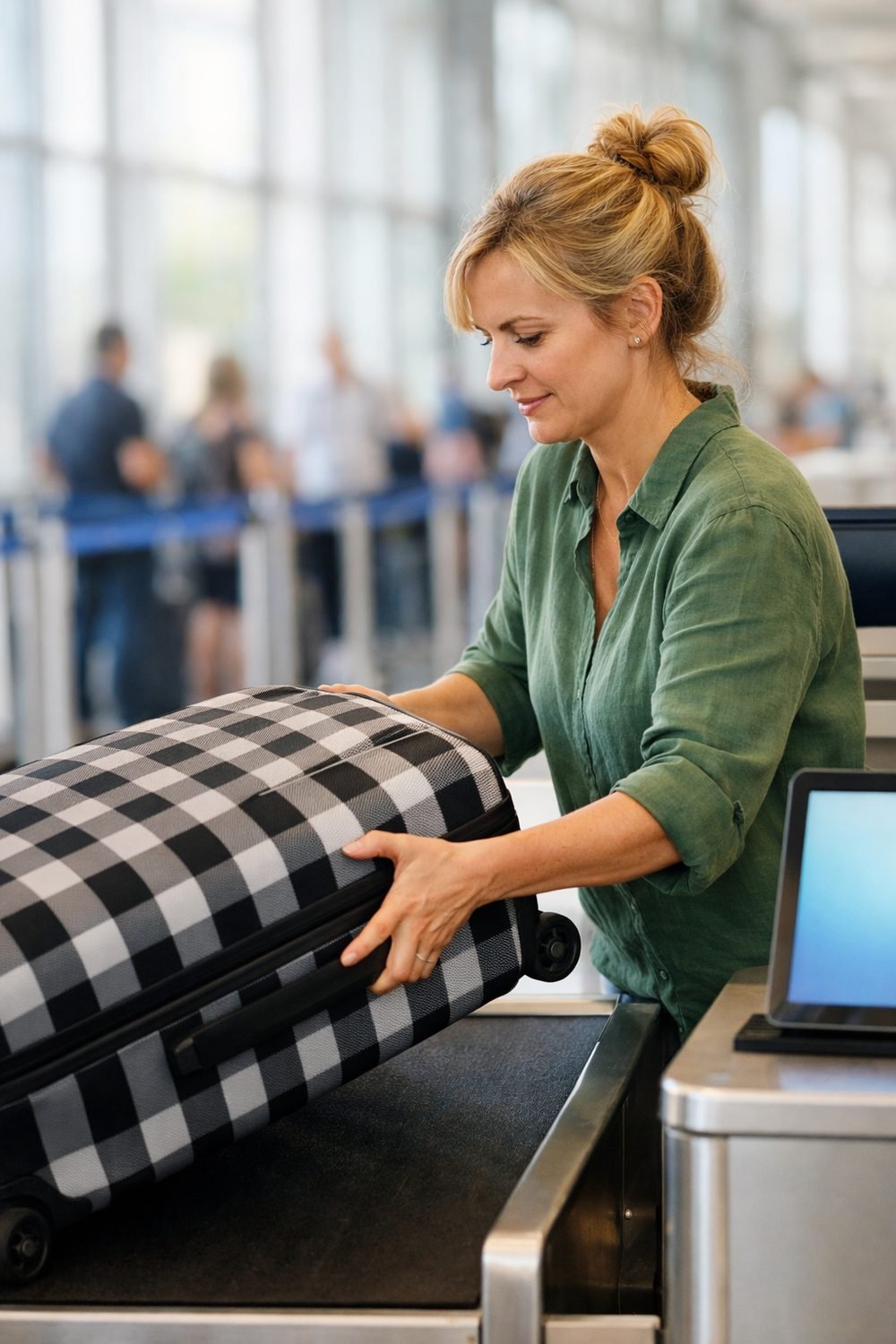
Checked bags take a beating. They get tossed onto belts, stacked under heavier suitcases, and dragged across wet tarmac while you're sitting upstairs with a pretzel. So it pays to choose the best checked bag luggage with care, even if this is your first "real" suitcase.
Many travelers learn this the hard way. A first checked bag is often a cheap soft case grabbed on sale the night before a trip. A wheel can crack before you even leave the arrivals hall, leaving you to haul the bag like a sack of potatoes for the rest of the trip. Here's the checklist I wish I'd had back then.
Short on time? Our top picks: Samsonite, Away, Travelpro and Briggs & Riley. See all picks
1. Start With Your Airline's Checked Luggage Size Limits
Before you fall in love with a color or a brand, find out what your airline allows. Most carriers list a maximum size for checked bags, usually as a total of length plus width plus height. Some also set limits that change by fare type or route. If you fly more than one airline, check each one.
Here's the part people miss. The size on a product listing doesn't always include the wheels and handles. A bag sold as "28 inches" might measure closer to 30 once you add the wheels. That can push you over the limit and into an oversize fee.
Practical tip: When a bag arrives, measure it yourself with a tape measure. Include the wheels, the handles, and any side pockets that stick out. Write the numbers on a sticky note inside the lining so you never have to guess again.
2. Pick the Right Size for How You Travel
Bigger isn't always better. A huge suitcase sounds handy until you fill it and find it's way over the weight limit. Large bags also tempt you to overpack, and then you're stuck lugging it up stairs at a train station.
For most people, medium checked luggage covers a week or so. If you travel with kids, pack for two people in one bag, or take long trips with bulky clothes, the best large checked luggage for you might be a roomier case. Think about your real trips, not the fantasy month in Europe you might take someday.
Practical tip: Lay out everything you packed for your last trip on the bed. That pile tells you more about the size you need than any chart will.
3. Decide Between Hard and Soft Shell
This is the big debate, and honestly, both sides have a point. Hard shell bags are made from plastics like polycarbonate or ABS. They're good at protecting what's inside, they're easy to wipe clean, and rain mostly rolls off them. The downside is they scuff, and they don't squish to fit into tight spaces.
Soft shell bags are usually made from nylon or polyester fabric. They often have outside pockets, which are handy for shoving in a sweater or a pair of flip-flops at the last minute. They can flex a bit when you overstuff them. But they can soak up stains, and a sharp corner on a belt can snag the fabric.
My honest take? If you pack fragile stuff, like a bottle of wine or souvenirs, go hard shell. If you like pockets and a little give, go soft. Don't stress over which is "best" in general.
Practical tip: If you choose hard shell, a textured or matte finish tends to hide scratches better than a shiny, glossy one.
4. Look Closely at the Wheels
Wheels are where a lot of bags fail first. You'll mostly see two types: two-wheel bags that you tilt and pull, and four-wheel spinners that roll upright in any direction.
Spinners are lovely in smooth airports. You can push them beside you with one hand while holding a coffee in the other. On cobblestones or cracked sidewalks, though, those little wheels can wobble and catch. Two-wheel bags often have bigger, tucked-in wheels that handle rough ground better and are less likely to snap off.
Practical tip: In a store, roll the bag across the floor and do a sharp turn. Listen for rattling, and check if the wheels look easy to replace. Some brands sell spare wheels, which is a nice sign.
5. Test the Handle Before You Buy
This one sounds small, but I'd put it near the top. You'll grab that telescoping handle dozens of times per trip. If it wobbles, sticks, or stops at an awkward height, it'll drive you up the wall.
Pull it all the way up and give it a gentle shake. A little movement is normal. A lot of play usually means it'll loosen more over time. Also check the carry handles on the top and side, since you'll use those to lift the bag off the belt.
Practical tip: If you're tall or short, check if the handle has more than one height setting. A handle that's too low will have you hunched over the whole way to the taxi line.
6. Weigh the Empty Bag Before Choosing Lightweight Checked Luggage
Empty weight matters more than most beginners think. Airlines set a weight limit for checked bags, and every pound the suitcase itself weighs is a pound you can't use for clothes, shoes, or gifts.
Look for the empty weight on the product page. If two bags seem about the same, the lighter one gives you more room to pack, which is why the best lightweight checked luggage is worth a look. That said, I wouldn't chase ultra lightweight checked luggage at any cost. Super light bags sometimes use thinner materials that don't hold up as well.
Practical tip: Get a small handheld luggage scale. Weigh your bag at home before you leave and again before your flight home, when you've added souvenirs. It's saved me from more than one awkward repack at the check-in desk.
By the way, if you like having a plan before you go, my free Vacation Countdown Checklist and 1-Day Itinerary Page is yours when you join the email list.
7. Think About Locks
Many checked bags come with a built-in lock, and lots of them are marked as TSA-approved. That means airport security in the US can open them with a special tool if they need to inspect your bag, without breaking the lock. If you fly in or out of the US, this is worth having.
To be fair, though. A luggage lock is more of a "keep honest people honest" thing. It stops a zipper from popping open and makes your bag a little less tempting. It won't stop someone who's really set on getting in. So keep valuables, medicine, and anything you can't replace in your carry-on.
Practical tip: Set your lock code before your trip and save it somewhere you'll find it, like the notes app on your phone. Forgetting a code at midnight in a hotel room is not fun.
8. Check the Zippers and Inside Layout
Zippers take a lot of strain on a full checked bag. Chunky, smooth-running zippers are a good sign. If one catches or feels flimsy in the store, picture it after you've sat on the bag to close it.
Inside, look at how the space is split. Some bags have two equal halves with a zip divider, and others have one big compartment with straps. Neither is wrong. A divider is useful because it keeps shoes away from clean shirts, but some people find them fussy.
Practical tip: Packing cubes work in any layout, so don't skip a bag you otherwise like just because the inside isn't perfect.
9. Read the Warranty Terms
Warranties vary a lot. Some cover only manufacturing defects. Others also cover damage from airlines, at least for a while. Some last for years, and some last a short time. The word "lifetime" can mean different things to different brands, so read the actual terms on the seller's page.
Look for what's covered, how long it lasts, and how you make a claim. Do you need a receipt? Do you have to ship the bag somewhere? Those details matter when a wheel snaps two days before your next trip.
Practical tip: Snap a photo of your receipt and the warranty card the day you buy the bag. Store it in a folder on your phone labeled "luggage."
10. Make Your Checked Luggage Easy to Spot
Every baggage carousel is a sea of black suitcases. A bright color, or even a bright luggage tag or strap, helps you spot your bag fast. It also lowers the chance that someone grabs yours by mistake.
Put your name and a phone number or email on a tag, plus a copy inside the bag in case the tag gets torn off. You can skip putting your full home address on the outside. It doesn't feel needed, and I'd rather not advertise that I'm away.
Practical tip: If you're packing for a carry-on too, the Carry-On Luggage Buyer's Guide and Comparison Sheets below this post can help you match the two bags so they work as a set.
Checked Bags Worth a Look
Here are some well-known luggage and travel brands to browse while you work through the checklist. Treat them as starting points, then measure.
Samsonite
A long-established brand that suits first-time buyers who want lots of styles and sizes to choose from. Check the exact model's empty weight and warranty terms, since they differ between lines.
Away
Suits travelers who like a simple, modern look and a limited range that is easy to compare. Check the measurements including wheels and handles against your airline's limit before ordering.
Travelpro
A familiar name for people who want practical, travel-focused bags, including both hard and soft options. Look closely at the wheel type and handle feel for the specific model you like.
Briggs & Riley
Worth considering if you plan to keep one suitcase for many years and care about the repair policy. Read the warranty terms carefully to see what is covered, especially for airline damage.
Delsey
A good fit for shoppers who want a wide choice of colors and shell styles. Check which models have the lock and zipper setup you want.
Osprey
Suits people who prefer soft-sided bags or rugged travel packs for rougher routes where wheels may struggle. Check whether the model you choose has wheels at all, and how it carries when full.
Tzowla
Placeholder
Check current plans and prices on each brand's own site before you buy.
FAQ
Is a hard shell bag always tougher than a soft one?
Not always. A well-made soft bag can outlast a cheap hard one. Look at the materials, zippers, and wheels instead of just the shell type.
Do I really need a TSA-approved lock?
If you fly through the US, it's handy, because security can open the bag without cutting the lock. Elsewhere it's more of a nice extra. Either way, keep valuables in your carry-on.
What size checked bag should a beginner buy?
A medium bag is a safe first pick for many people, since it handles about a week of clothes. Check your airline's limits first, then match the size to your usual trips.
How can I avoid overweight bag fees?
Start with a lighter empty bag and weigh it at home with a luggage scale. Leave a little wiggle room for things you'll buy on the trip.
If you're getting ready for a trip soon, grab the free Vacation Countdown Checklist and 1-Day Itinerary Page first, so the planning part feels less messy. Then, if you'd like more help, take a look at the Trip Planner and Packing Checklist Bundle and the carry-on guide below this post. Happy packing, and here's to a bag that keeps all four wheels.
Printables and tools that can help
Carry-On Luggage Buyer's Guide and Comparison Sheets
A printable guide and comparison sheets to write down what matters to you before you look at any seller...
See detailsTrip Planner and Packing Checklist Bundle
A printable bundle with a 30-day goal page, weekly planner and checklists for frequent travelers and...
See details