Best Bluetooth Noise Cancelling Headphones: Pros, Cons and Alternatives
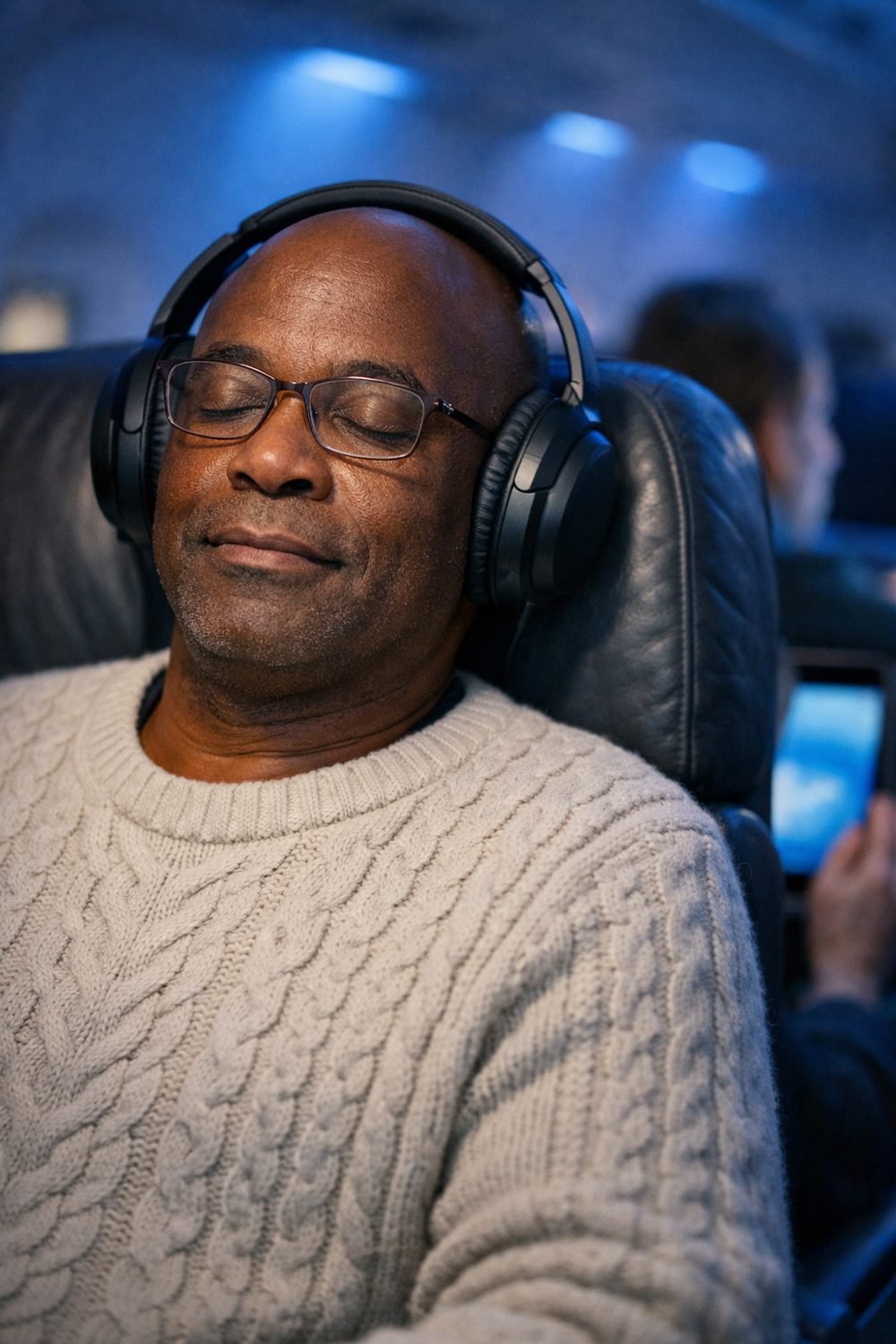
Many people think noise cancelling headphones are a luxury. Sitting next to a jet engine for hours with cheap earbuds that do nothing is enough to start anyone hunting for the best bluetooth noise cancelling headphones fast.
The thing is, "noise cancelling headphones" isn't one product. There are a few different styles, and each one suits a different kind of traveler. Some are great on a long flight and annoying on a hot walking tour. Others fit in your pocket but fall out when you nod off.
So instead of naming one "best" pair, I'm going to walk through the main types of active noise cancelling headphones, what I like about each, what bugs me, and who should skip them. Then you can pick the style first and shop for the brand after.
Short on time? Our top picks: Sony WH-1000XM5, Bose QuietComfort Ultra Headphones, Apple AirPods Max and Bose QuietComfort Earbuds. See all picks
1. Best Over Ear Noise Cancelling Headphones
These are the big ones that sit around your ears instead of on them, and they're the style most people picture with bluetooth noise cancelling headphones. For flights, they're my favorite by a mile. The ear cups block a lot of sound on their own, even before the noise cancelling kicks in, so the low engine hum fades into the background.
They're also the comfiest for long stretches. A good pair should be wearable through a full movie and a nap without that sore, pinched feeling. The downside is size. Even folded, they take up a real chunk of a backpack, and the hard case can be bigger than you'd expect.
They can also get warm. On a stuffy train in summer, I've pulled them off just to let my ears breathe.
Practical tip: Before you buy, check if the cups fold flat or twist. That small detail decides whether they slide into your personal item or hog the whole thing.
2. On-Ear Headphones
On-ear headphones press against your ears rather than surrounding them. They're lighter and smaller than over-ear models, which makes them easier to toss in a tote bag.
Here's my honest take, though: I find them overrated for travel. Because they push on your ears, they can start to ache after an hour or two, especially if you wear glasses. And since they don't seal around your ear, more outside noise leaks in.
They make more sense for short trips, like a commute or a quick regional flight, than for an overnight haul.
Practical tip: If you try a pair in a store, wear them for at least ten minutes. The pressure often doesn't show up in the first thirty seconds.
3. Best In Ear Noise Cancelling Headphones
Tiny, light, and easy to forget in a jacket pocket (which, yes, I've done). Noise cancelling bluetooth earbuds, such as the Apple AirPods Pro, are the easiest type to pack, and they don't mess up your hair or clash with a hat.
They're also the best noise cancelling headphones for sleeping on a plane if you lean against the window. Big headphones get pushed sideways, but earbuds mostly stay put. Mostly.
The catch is fit. Everyone's ears are a little different, and if the tips don't seal well, the noise cancelling won't work nearly as well as the box suggests. Some people also find earbuds itchy or uncomfortable after a few hours, so look for noise cancelling headphones with microphone and comfort details you can test.
Practical tip: Try every size of ear tip that comes in the box. Many people just use the default medium and never realize a different size would block way more noise.
4. Neckband Style
Neckband headphones have earbuds connected to a soft band that rests around your neck. When you take the buds out, they just hang there instead of rolling under a seat.
These are a good fit for active days. Hopping on and off buses, checking maps, ordering coffee, it's nice not to worry about dropping a tiny earbud on a train platform. They're usually light and the battery often sits in the band.
That said, the band can get sweaty in hot weather, and they're not as easy to sleep in. They also feel a bit less common now, so your choices may be more limited.
Practical tip: If you tend to lose small things while traveling, this style might save you more stress than any feature on a spec sheet.
5. Best Budget Noise Cancelling Headphones
You don't have to spend a lot to find affordable noise cancelling headphones, and brands like Anker Soundcore are one place to look. Lower-priced models in every style above can take the edge off engine noise and chatty neighbors.
What you usually give up is polish. The noise cancelling may be weaker, the app may be basic or missing, and the battery or build might not hold up as long. Some cheaper pairs also make a faint hiss when the cancelling is on, which bothers some people more than others.
My honest opinion? A budget pair is a smart first step if you're not sure you'll use them much. If you fly often, you may outgrow them quickly.
Practical tip: Read the seller's page for battery life and whether noise cancelling works in wired mode. Those two details matter more on a trip than fancy extras.
6. A Wired Backup (Don't Skip This)
This isn't a headphone type so much as a habit I'd push on anyone. Many planes still have seatback screens that use a headphone jack, and Bluetooth often won't connect to them directly.
Some of the best wireless noise cancelling headphones come with a cable so you can plug in. Others don't support it at all. It's easy to learn this the hard way, staring at a movie menu you can't hear, with expensive headphones sitting useless in your lap.
A cable is a small, annoying extra thing to carry. But it weighs almost nothing and it can save a long flight.
Practical tip: Pack a short cable and a two-prong plane adapter in a small pouch. Some people also use a little Bluetooth transmitter like the Twelve South AirFly that plugs into the seat, which is worth looking into if your headphones have no jack.
Speaking of small things that are easy to forget, the free Vacation Countdown Checklist and 1-Day Itinerary Page you get when you join our email list is a handy spot to jot down "cable, adapter, charger" so they actually make it into your bag.
7. Which Type Fits Your Kind of Trip?
If you mostly take long flights, I'd lean toward over-ear. Comfort and noise blocking matter most when you're stuck in one seat for hours.
If you pack light or travel with just a backpack, earbuds win. They take up almost no room, and that space can go to an extra layer or snacks.
Think about your bag, too. Big headphones in a hard case can be the thing that makes your carry-on zipper fight back. If you're still deciding on luggage, the Carry-On Luggage Buyer's Guide and Comparison Sheets below this post can help you see how much room you'll really have.
Practical tip: Charge your headphones the night before, not the morning of. Airport mornings have a way of eating every spare minute.
Our top picks
Here are some well-known options to start your search, grouped by the styles covered above. Check the fit and the details that matter for your kind of trip before you choose.
Sony WH-1000XM5
A popular over-ear pick for people who fly often and want a comfortable, full-size pair. Check how it folds and how big the case is, since that decides how much bag space it takes.
Bose QuietComfort Ultra Headphones
Another over-ear option that suits long-haul travelers who care most about comfort. Check whether it supports a wired connection for seatback screens before you buy.
Apple AirPods Max
Suits people already in the Apple world who want over-ear headphones. Look closely at the carrying case and the weight, and think about whether you will want a cable adapter for planes.
Bose QuietComfort Earbuds
A good fit if you want in-ear noise cancelling that packs down small. Try each ear tip size, since a good seal makes a big difference.
Sony WF-1000XM5
Suits light packers who want earbuds that tuck into a jacket pocket. Check that they feel comfortable for several hours, especially if you plan to nap in them.
Apple AirPods Pro
A natural choice for iPhone users who want small, easy to carry earbuds. Check the ear tip sizes and see how they sit when you lean against a window.
Anker Soundcore Space One
A good starting point for travelers who want over-ear noise cancelling on a tighter budget. Check battery life and whether it works in wired mode, since cheaper pairs can differ here.
Twelve South AirFly
A small Bluetooth transmitter that suits anyone whose headphones have no jack but who wants to use seatback screens. Check that your plane's setup and your headphones will work with it.
Check current plans and prices on each brand's own site before you decide.
FAQ
Can I use Bluetooth headphones on a plane?
Many airlines allow them once you're in the air, but rules can vary by airline and during takeoff or landing. Check your airline's page and follow crew instructions. For the seatback screen, you may need a cable or a transmitter.
Do noise cancelling headphones block all sound?
No. They're best at steady, low sounds like engine hum or air conditioning. Sudden noises, like a crying baby or a nearby conversation, usually still come through, just softer.
Are noise cancelling headphones safe for my ears?
This isn't medical advice, so check with a doctor if you have health concerns. If you have ear concerns or feel pressure or discomfort, it's best to ask a medical professional. Keeping the volume reasonable is a sensible habit either way.
Should I bring headphones and earbuds both?
Some travelers do, using big headphones on the plane and earbuds while out exploring. It's a nice setup if you have room, but one good pair is plenty for most trips.
Your next step is easy: grab the free Vacation Countdown Checklist and 1-Day Itinerary Page by joining the email list, and add your headphones, cable, and charger to it right away. Then, if you want to plan the rest of your packing, take a look at the Trip Planner and Packing Checklist Bundle and the carry-on guide below this post.
Printables and tools that can help
Carry-On Luggage Buyer's Guide and Comparison Sheets
A printable guide and comparison sheets to write down what matters to you before you look at any seller...
See detailsTrip Planner and Packing Checklist Bundle
A printable bundle with a 30-day goal page, weekly planner and checklists for frequent travelers and...
See details