Best Backpack for Air Travel: Questions to Ask First
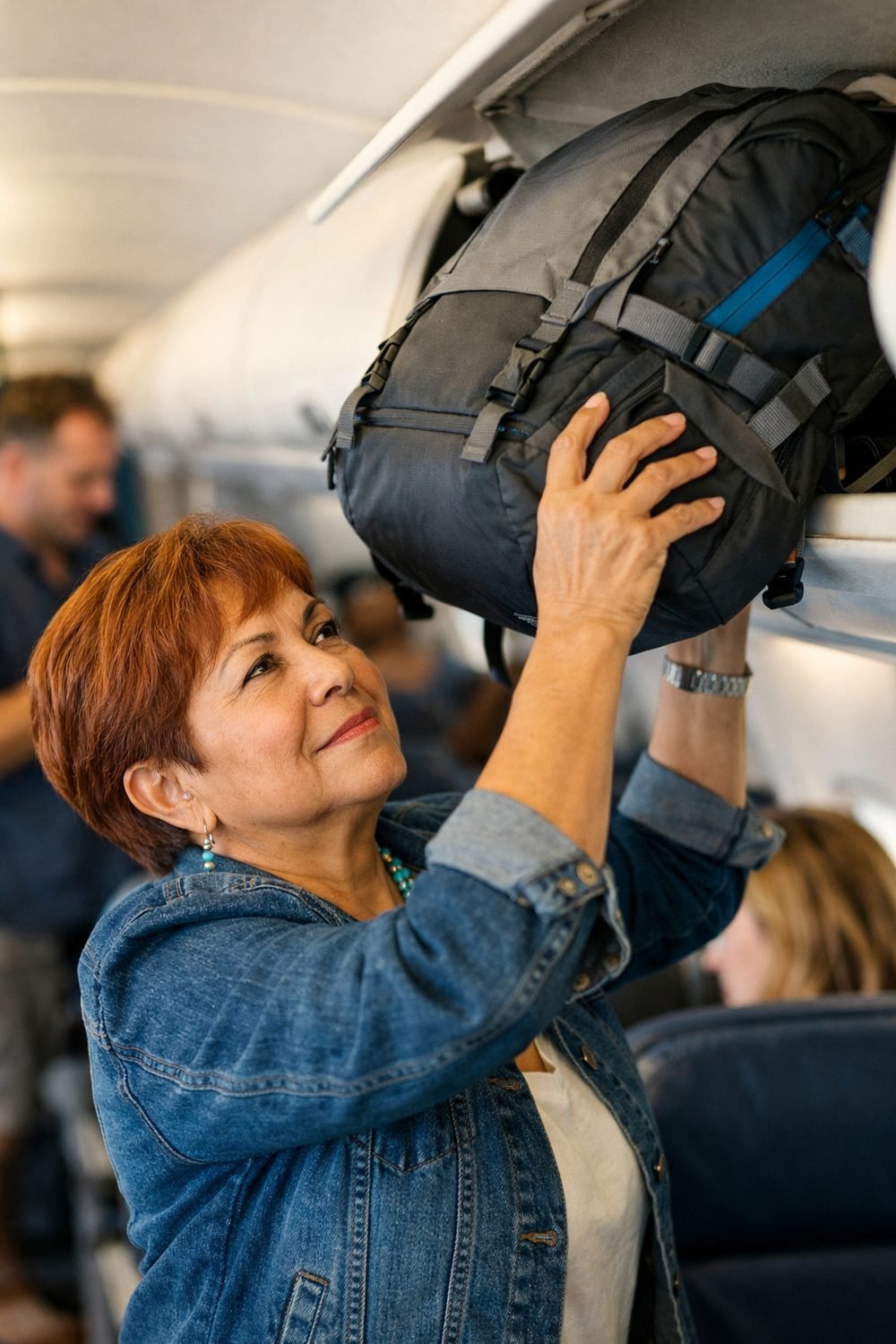
It's a bad feeling to stand at a gate with a backpack jammed into that metal sizer box while a line of people watches. It fit, barely, after I pulled out a sweater and wore it in July. That's a good reason to stop hunting for the best backpack for air travel based on how it looks online.
There isn't one "best" backpack for flying. There's the best one for your trips, your body and your airline. So instead of a ranking, here are the questions I ask before I buy, in the order I ask them.
Short on time? Our top picks: Osprey Farpoint and Fairview, Peak Design Travel Backpack, Tortuga Travel Backpack and Cotopaxi Allpa. See all picks
1. What size rules does your airline use for a travel backpack personal item?
Start here, because nothing else matters if the bag gets tagged at the gate. Airlines set their own limits for carry-on bags and for the smaller "personal item" that goes under the seat. Those limits aren't the same everywhere, and budget airlines are often stricter.
Look up the numbers on the airline's own website, not a blog or a forum post from three years ago. Rules change. If you fly more than one airline, write down the smallest limit and shop for that one.
Tip: Check the bag's measurements when it's full, not empty. A soft bag that looks small in photos can bulge past the limit once you stuff it. If the seller lists "expanded" dimensions, those are the ones that count.
2. How much are you really going to carry?
Before you look at a single bag, pack for your next trip on the bed. Clothes, shoes, toiletries, chargers, snacks, that book you probably won't read. Then look at the pile.
This tells you more than any product page. If it's a long weekend with two outfits, you might only need a travel backpack that counts as a personal item. If it's a week and you refuse to check a bag, you'll want something closer to full carry-on size.
Honestly, most people overbuy here. Plenty of travelers do. A huge backpack just tempts you to fill it, and then it's heavy for the whole trip.
Tip: Some airlines also have weight limits for carry-ons. Weigh your packed pile with a bathroom scale (weigh yourself holding it, then without it) so you know where you stand.
3. Will it feel okay on your back after an hour?
Airports involve a lot of walking. Long hallways, missed connections, the train to the hotel. A bag that feels fine for thirty seconds in a store can feel awful by the time you reach baggage claim.
Look for padded shoulder straps and a back panel that isn't just a flat sheet of fabric, the kind of thing makers like Thule design around. A sternum strap (the small one across your chest) helps more than you'd think. Hip belts are nice on bigger bags, though on small ones I find them a bit much.
Torso length matters too. If you're shorter or taller than average, some bags just won't sit right no matter how you adjust them.
Tip: If you can try one on, put some weight in it first. Many stores will let you. At home, load it with books and walk around the block before you decide to keep it.
4. Is there a laptop sleeve for business travel, and does your laptop fit?
A lot of business travel backpack listings say "fits up to" a certain laptop size. That's a start, but laptops with the same screen size can be very different in width and thickness.
Measure your actual laptop. Then compare it to the sleeve size if the seller lists it. If they don't, I'd be a little cautious.
A sleeve you can reach without opening the whole bag is also worth looking for. Depending on the airport, you may need to pull out your laptop at security, and digging through socks while people wait behind you isn't fun.
Tip: A sleeve that sits slightly off the bottom of the bag gives your laptop some protection when you drop the bag on the floor. Check the photos or reviews for this detail.
5. How does it open?
This one sounds small. It isn't. There are two main styles, and they change how you pack.
Clamshell bags unzip all the way around and open flat like a suitcase. You can see everything at once, and packing cubes fit neatly.
Top-loading bags open from the top, a bit like a hiking pack. They can hold odd-shaped things well, but finding the item at the bottom means pulling everything out. Some people love them. They can be annoying in a hotel room.
Tip: Picture yourself in a cramped hostel or a small hotel room. Where would you open this bag? If the answer is "on the floor, unpacking the whole thing," that tells you something.
6. What do the zippers and fabric look like up close?
You don't need to be an expert to spot problems. Zoom in on the photos, whether the bag is a plain black travel backpack or a stylish travel backpack. Do the zippers look sturdy or thin? Are the seams neat?
Reviews help a lot here, especially ones written after months of use. You can skip the five-star reviews posted the day the bag arrived and look for people who mention a few trips. Watch for repeat complaints like broken zippers or straps fraying.
Water resistance is nice, but don't expect a regular backpack to be waterproof. If you're caught in heavy rain, a cheap rain cover or a plastic bag around your electronics does more than fancy fabric.
Tip: Lockable zippers are worth having, mostly for peace of mind in hostels. Just know that a small lock is a deterrent, not real security.
If you like having a simple plan before you travel, you can grab my free Vacation Countdown Checklist and 1-Day Itinerary Page when you join the email list.
7. Does it have the pockets you'll actually use?
More pockets aren't always better. Some bags have so many that you forget where you put your passport, which is worse than having too few.
Think about what you grab from your day backpack during a flight. For me, it's my phone, earbuds, a charger, a water bottle and my ID. You want quick access to those and may not care much about the rest.
A side bottle pocket is one I'd hate to give up. A hidden back pocket for your passport is handy too.
Tip: Make a short list of your "in-flight" items and check that the bag has a sensible spot for each one. If you're comparing a few bags, the Carry-On Luggage Buyer's Guide and Comparison Sheets below this post give you a place to line them up side by side.
8. What happens if it doesn't work out?
This is the question people forget. You won't really know if a bag fits your stuff and your back until you pack it at home.
Before you buy, read the return policy on the seller's page. How many days do you get? Does it need to be unused, with tags on? Who pays for return shipping? Some sellers are generous, some aren't.
Also check the warranty terms if there are any. A bag that's covered for defects is a nicer purchase than one that isn't, but read what's covered instead of trusting a big "lifetime" label.
Tip: Do your test pack with the tags still on and keep the packaging until you're sure. Returning a bag that fails these checks is a smart move, even if it feels like a hassle.
Backpacks worth a look
These are real, well-known travel backpack makers to start your search. Use the questions above to decide which one fits your trips and your airline.
Osprey Farpoint and Fairview
Suits travelers who want a carry-on style pack with comfortable straps and a clamshell opening. Check the size against your airline's carry-on limit, since some versions are bigger than a personal item.
Peak Design Travel Backpack
Suits people who like organized packing and a bag that opens wide. Check how it sits on your back if you are short or tall, and whether the size you pick fits your airline's rules.
Tortuga Travel Backpack
Suits those who want a bag made mainly for carry-on trips and clamshell packing. Check the return policy and the full-bag measurements before you commit.
Cotopaxi Allpa
Suits travelers who like bright colors and a bag that opens flat. Check the sleeve and pocket layout to make sure your laptop and in-flight items have a sensible spot.
Patagonia Black Hole Pack
Suits those who want a simple, weather-tough bag for shorter trips. Check the pocket layout, since simpler bags may offer fewer places for small items.
Away The Backpack
Suits people who want a polished look for business trips and city breaks. Check that your laptop fits the sleeve and that the size works as a personal item on your airline.
Thule Aion Travel Backpack
Suits travelers who want a structured pack with a dedicated laptop area. Check the weight when empty and the fit on your torso before you decide.
Check current plans and prices on each brand's own site before you buy.
FAQ
Can a backpack count as my personal item?
Often, yes, if it's small enough to fit under the seat in front of you. Each airline sets its own personal item size, so check their site before you fly. A full-size travel backpack will usually count as your carry-on instead.
Is a backpack better than a rolling travel backpack or a rolling carry-on?
It depends on your trip. Backpacks are easier on stairs, cobblestones and crowded trains, while rolling bags are easier on your back in big, flat airports. I take a backpack for city trips, including European travel, and short stays, and brands like Osprey make options built for that kind of travel.
Do I need packing cubes in my travel backpack?
You don't need them, but they make a clamshell backpack much easier to keep tidy. They also squeeze clothes down a little. If your bag opens from the top, they help less.
What size backpack should I get for a week?
There's no single answer, since it depends on how light you pack and what your airline allows. Do the "pile on the bed" test from item 2 and pick the smallest bag that holds it comfortably.
Before You Buy
If you take one thing from this, let it be the test pack. Lay out your stuff, check your airline's numbers, and keep the tags on until you're sure. Start by grabbing the free Vacation Countdown Checklist and 1-Day Itinerary Page so your next trip has a plan. Then, if it helps, take a look at the Carry-On Luggage Buyer's Guide and Comparison Sheets and the Trip Planner and Packing Checklist Bundle below this post.
Printables and tools that can help
Carry-On Luggage Buyer's Guide and Comparison Sheets
A printable guide and comparison sheets to write down what matters to you before you look at any seller...
See detailsTrip Planner and Packing Checklist Bundle
A printable bundle with a 30-day goal page, weekly planner and checklists for frequent travelers and...
See details