Best Affordable Luggage: A Plain-English Guide
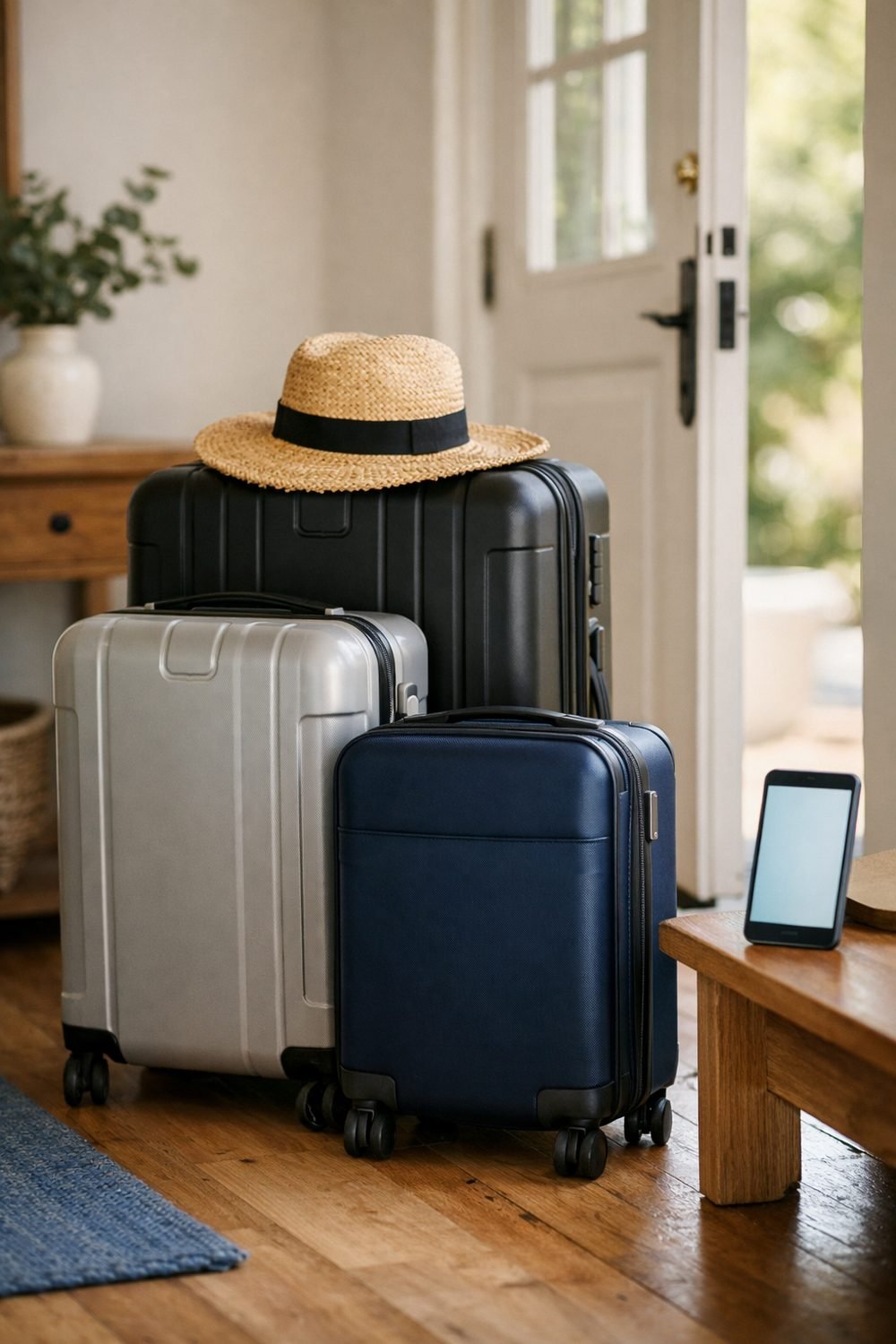
If you're hunting for the best affordable luggage, avoid buying your first "cheap" suitcase the night before a trip. It looked great in the store. By the second airport, one wheel was wobbling and the zipper pull had snapped off in my hand. A broken zipper can mean spending the rest of a trip holding the bag closed with a hair tie.
Some were bargains that lasted for years. Others were "deals" that fell apart fast. The difference usually wasn't the price. It was a handful of small details I didn't know to check.
This guide covers those details. It's not a list of brands. This guide won't name an exact bag to buy, because prices and models change all the time. Instead, I'll show you what to look at in the store or on a product page so you can spot a good affordable bag on your own.
Short on time? Our top picks: Amazon Basics, Samsonite, American Tourister and Travelpro. See all picks
Quick summary
- Size first. Buy for the trips you actually take, not the trip you dream about.
- Check the empty weight. A heavy bag eats into your airline weight limit before you pack a thing.
- Wheels matter more than looks. Spinners are easy on smooth floors. Two-wheel bags handle rough ground better.
- Test the handle. Wiggle it. Lots of wobble means trouble later.
- Zippers break first. Chunky, smooth zippers are worth more than a fancy shell.
- Read the warranty. Know what it covers before you need it.
Start With the Trips You Really Take
This sounds obvious. It's also the step most people skip. They buy the biggest bag on sale because it feels like better value. Then it sits in the closet because it's too much for a weekend away.
Think about your last five trips. How long were they? Did you fly or drive? Did you check a bag or try to avoid it? Your answers tell you more than any review will.
Affordable carry on luggage size
If most of your trips are a few days, a carry-on is probably your best buy. Just know that "carry-on size" isn't one fixed thing. Airlines set their own size limits, and some are stricter than others. A bag sold as carry-on might be fine on one airline and too big on another.
Before you buy, look up the size rules for the airlines you fly most. Check them on the airline's own website, since those rules can change. Then compare those numbers to the bag's listed size. Make sure the listed size includes the wheels and handle. Some sellers only measure the main body, which can be a nasty surprise at the gate.
Picking the best checked luggage: medium and large bags
A medium checked bag is a nice middle ground for a week or two. Large bags make sense for long trips, family packing, or moving stuff. But big bags fill up fast, and a full one can go over airline weight limits quicker than you'd think. Repacking on an airport floor is a common and avoidable hassle. It's not fun.
If you're only buying one bag, a carry-on or a medium is the safer choice. Large bags are great when you need them and a pain when you don't.
Shell Material: Hard, Soft, and What the Label Says
The outside of a suitcase gets the most marketing attention. Some of it matters. Some of it is just shine.
Hardside bags
Hardside bags are common in the budget range now, from brands like Samsonite and American Tourister, and the best hard luggage is easy to spot once you know what to check. They look clean and wipe off easily. The shell is often made of plastics like polycarbonate, ABS, or a mix. Each has its own feel. Some flex a little when you press on them. Others feel stiffer.
Here's what I look for. Press gently on the side of the bag. A shell with a little give often handles bumps better than a very stiff one that might crack. Treat that as a rule of thumb, not a promise. Also check the material list on the product page. If the seller is vague about what the shell is made of, I take that as a small warning sign.
One thing that bugs me about cheap hardside bags: scuffs. A glossy shell can look beat up after one trip. A textured or matte finish tends to hide marks better.
Softside bags
Softside bags, such as those from Rockland, are made of fabric, often nylon or polyester. They're easy to underrate. A good one has outside pockets, which are handy for a jacket, a book, or snacks. Many also have an expansion zipper that gives you a bit of extra room for the trip home.
Look at the fabric closely. Tight, thick weaves usually hold up better than thin, shiny fabric. Check the stitching at the corners and around the handles. Loose threads or uneven seams in the store will only get worse after a few trips.
A quick comparison
- Hardside: easier to wipe clean, holds its shape, usually no outside pockets, can scuff or crack.
- Softside: more flexible, outside pockets, often expandable, can stain or tear if the fabric is thin.
A softside carry-on is a good pick for most trips, since it's light and has some give when you overpack. Being able to squeeze it into a tight overhead bin is a real advantage. For checked bags I don't really care either way, as long as the zippers and wheels are solid.
Weight: The Number Nobody Checks on Lightweight Luggage
Every product page lists the bag's size. Fewer people look at how much it weighs empty. That number matters a lot.
Airlines often have weight limits for checked bags, and some have them for carry-ons too. A heavy suitcase eats into that limit before you've packed a single pair of socks. If you've ever paid an overweight fee because of one extra pair of shoes, you know the feeling.
When you compare two bags, put their empty weights side by side. If one is a lot heavier and doesn't give you anything extra, like better wheels or more room, I'd pick the lighter one.
That said, lighter isn't always better. Some very light bags save weight by using thin materials or flimsy frames. It's a balance. A little extra weight is usually better than a bag that fails halfway through a trip.
Wheels: Spinner or Two-Wheel?
This is the question I get asked most. There's no single right answer, but there is a right answer for you.
Spinner wheels (four wheels) for rolling luggage
Spinners roll in any direction. You can push the bag next to you down an airport hallway without pulling it behind you. On smooth floors they feel easy. They work well in tight spots, like the aisle of a train.
The downside? Four wheels sticking out from the bottom means more parts that can snap off. On cobblestones, gravel, or cracked sidewalks, small spinner wheels can catch and stall. Spinners can also roll away on a slope. A bag left alone can slide down a tilted train platform, so keep a hand on it. Someone kindly stopped it.
Two-wheel bags (inline wheels)
Two-wheel bags tilt back and roll behind you. The wheels are usually tucked into the frame, so they're better protected. They tend to handle curbs and rough ground better too.
They're a little more work to pull for long stretches, since you're holding the bag at an angle. But for city trips with old streets, I'd pick two wheels every time.
What to check either way
- Spin or roll each wheel by hand. They should turn smoothly without grinding.
- Look at how the wheels attach. Thin plastic housings worry me.
- Bigger wheels usually roll more easily over bumps than tiny ones.
- If you can, roll the bag across the store floor and listen. Loud rattling is a bad sign.
The Handle: Give It a Good Wiggle
The telescoping handle, the one that pulls up, is a common weak spot on budget bags. You use it constantly, and it takes a lot of strain.
Pull it all the way up. Then gently wiggle it side to side and front to back. A little movement is normal. A lot of wobble is a warning. Push it back down and pull it up a few times. It should slide without sticking.
Check the heights too. Some handles lock at a few different heights, which is handy if you're tall, or if you share bags with someone who is a different height than you. If the handle is too short, you end up hunched over all through the airport.
Don't forget the carry handles on the top and side. You'll grab those to lift the bag into a car trunk or onto a scale. They should feel firmly attached, not just stuck on.

Zippers: Where Cheap Bags Usually Fail
If I could only check one thing on a budget suitcase, it would be the zippers. Many people find that wheels and zippers are what break first. A cracked shell is rare. A split zipper is not.
What a good zipper feels like
Run the zipper all the way around the bag. It should move smoothly and not catch on corners. The teeth should look solid, not thin and tiny. The pulls should feel sturdy, not like little bits of bent metal.
Some bags have very chunky zippers, and others have small ones. Bigger isn't automatically better, but very thin zippers on a large bag make me nervous. When you overpack, and you will, all that pressure lands on the zipper.
Locks and zipper pulls
Many bags come with a built-in lock or loops for a small lock. That can be handy. If you plan to fly with a lock, read the airport security rules for where you're traveling, since some places may need to open your bag. Check the official security website rather than guessing.
Honestly, I find built-in locks a bit overrated on cheap bags. They're nice to have, but I wouldn't pay more just for one. Better zippers are worth more than extra features.
If you like being organized before a trip, the free Vacation Countdown Checklist and 1-Day Itinerary Page is yours when you join the email list, and it's a nice way to plan your packing days ahead.
Inside the Bag: Small Details That Help
The inside of a suitcase gets less attention than it deserves. A few small features make packing a lot easier.
Compression straps hold your clothes in place so they don't all slide to the bottom. A zip divider is great for keeping clean and dirty clothes apart. Mesh pockets are good for chargers and small things you don't want to lose.
Check the lining too. Pull gently at the edges. Thin lining that's barely glued in can tear and start to sag. It's not a dealbreaker, but it tells you something about how carefully the bag was made.
Here's something I'd skip: tons of built-in pockets and fancy compartments. They sound great, but they often waste space. A mostly open bag with a few packing cubes is often a better setup.
Warranty and Return Policy: Read Before You Buy
A warranty can be the difference between a bag you replace and a bag you get fixed. But warranties vary a lot, even on top rated luggage.
What to look for
- How long it lasts, and whether that's from the date you bought it.
- Whether it covers airline damage or only defects from the factory.
- Whether you need the receipt or have to register the bag.
- Who pays shipping if the bag has to be sent back for repair.
Read the actual terms on the seller's or maker's page. Don't rely on a big "lifetime" badge on the box. Sometimes "lifetime" has limits that only show up in the fine print. This isn't meant to scare you. It's worth saying because people often assume a broken wheel will be covered, and it may not be.
Also check the store's return window, since the best place to buy luggage is often the one with an easy return policy. If you're buying online, unpack the bag right away. Roll it, zip it, pull the handle. If something feels off, you want to know while you can still send it back.
Comparing Bags Side by Side Before You Hunt for Luggage Deals
When I'm deciding between two or three bags, I write down the same few things for each one. It keeps me from getting distracted by color or a nice photo.
- Outside size, including wheels and handle.
- Empty weight.
- Wheel type and how the wheels attach.
- Shell material or fabric.
- Zipper feel and size.
- Warranty length and what it covers.
- Return window.
Here's a quick example. Say Bag A is a bit cheaper, but it's heavier and has a short warranty. Bag B costs a little more, weighs less, and has better coverage. For someone who flies a lot, I'd lean toward Bag B. For someone who drives to a cabin twice a year, Bag A might be just fine. The "best" bag depends on how you'll use it.
If you want a ready-made way to do this, the Carry-On Luggage Buyer's Guide and Comparison Sheets below this post lay out these points so you can fill them in as you shop.
Common Mistakes
These are easy mistakes to make. Learn from my sore arms and broken zippers.
- Buying the biggest bag because it's on sale. More space usually means more stuff and more weight.
- Trusting "carry-on size" on the label. Check your airline's real limits and measure with the wheels included.
- Ignoring the empty weight. It adds up fast against airline limits.
- Judging by looks alone. A pretty glossy shell won't save you from a weak handle.
- Skipping the zipper test. Zippers are the most common thing to fail.
- Not reading the warranty. Big promises on the box don't always match the fine print.
- Waiting until the night before. If the bag is faulty, you won't have time to return it.
- Overpacking a new bag. Stuffing it until the zipper strains is a fast way to break it.
Affordable luggage brands worth a look
The post above is about how to judge a bag, so here are a few well-known brands that often show up in the budget range. Use the checks above on any of them before you buy.
Amazon Basics
Suits shoppers who want a simple, no-frills bag and an easy return process. Check the empty weight and the zipper feel, since the range of models is wide.
Samsonite
A long-running luggage maker with both hardside and softside lines, including some entry-level ones. Compare the warranty terms between lines, since coverage can differ.
American Tourister
A good fit for people who want a familiar name without moving into premium pricing. Check the wheel type and how the wheels attach before choosing a model.
Travelpro
Often looked at by frequent flyers who want a bag built for regular airport use. Check the handle for wobble and compare empty weights across sizes.
Coolife
A budget-focused brand that sells sets and single bags, popular with shoppers who want several sizes at once. Check the stated size against your airline rules, and look closely at the zipper and handle details.
Rockland
Suits travelers who want a softside bag at a modest price, such as for occasional trips. Check the fabric thickness and the stitching at the corners.
Delsey
Suits people who want a stylish hardside bag from a European brand without going top-end. Check the shell finish for scuffs and read the warranty terms for what is covered.
Check current plans and prices on each brand's own site before you buy.
FAQ
Is a hardside or softside bag better on a budget?
Neither one wins every time. Hardside bags are easier to clean and hold their shape, while softside bags are more flexible and usually have outside pockets, which is handy if you're shopping for affordable luggage. Pick based on how you travel, then focus on wheels and zippers.
Are spinner wheels worth it?
They're great on smooth airport floors and in tight spaces. On rough streets or cobblestones, two-wheel bags often do better and have better-protected wheels. If you travel to a lot of old cities, I'd go with two wheels.
How do I know if a bag fits as a carry-on?
Look up the size rules on your airline's own website, since they can vary and change. Compare them to the bag's full outside size, including wheels and handle. If a seller only lists the body size, measure it yourself when it arrives.
Should I pay extra for a built-in lock?
It usually isn't worth paying much extra for one on a budget bag. Strong zippers matter more. If you do use a lock, check the security rules for where you're flying first.
If you're getting ready for a trip, start by grabbing the free Vacation Countdown Checklist and 1-Day Itinerary Page from the sign-up box. Then, if you'd like help comparing bags or planning what goes in them, take a look at the Carry-On Luggage Buyer's Guide and Comparison Sheets and the Trip Planner and Packing Checklist Bundle below this post. Either way, I hope your next suitcase lasts a lot longer than my first one did.
Printables and tools that can help
Carry-On Luggage Buyer's Guide and Comparison Sheets
A printable guide and comparison sheets to write down what matters to you before you look at any seller...
See detailsTrip Planner and Packing Checklist Bundle
A printable bundle with a 30-day goal page, weekly planner and checklists for frequent travelers and...
See details